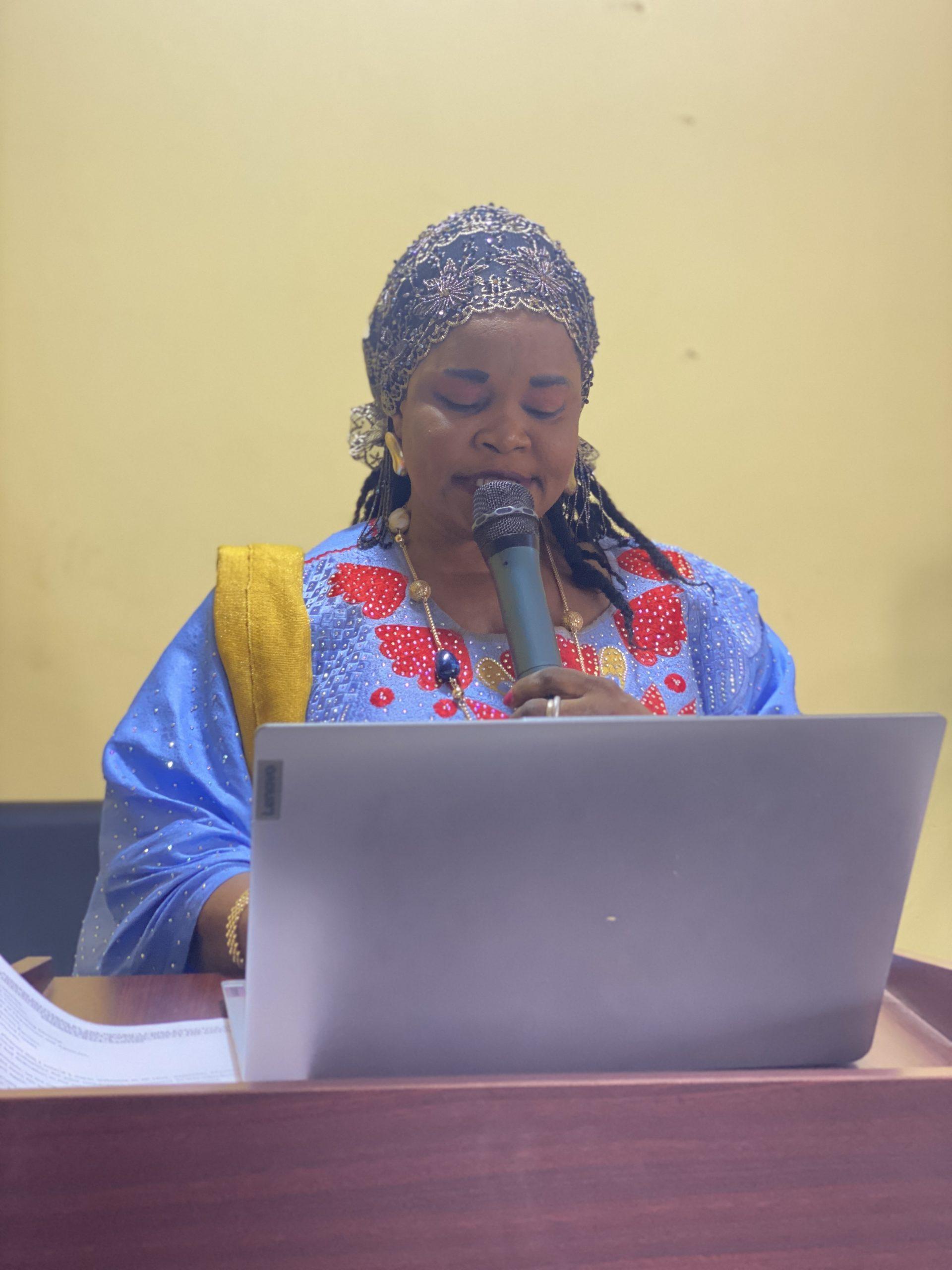
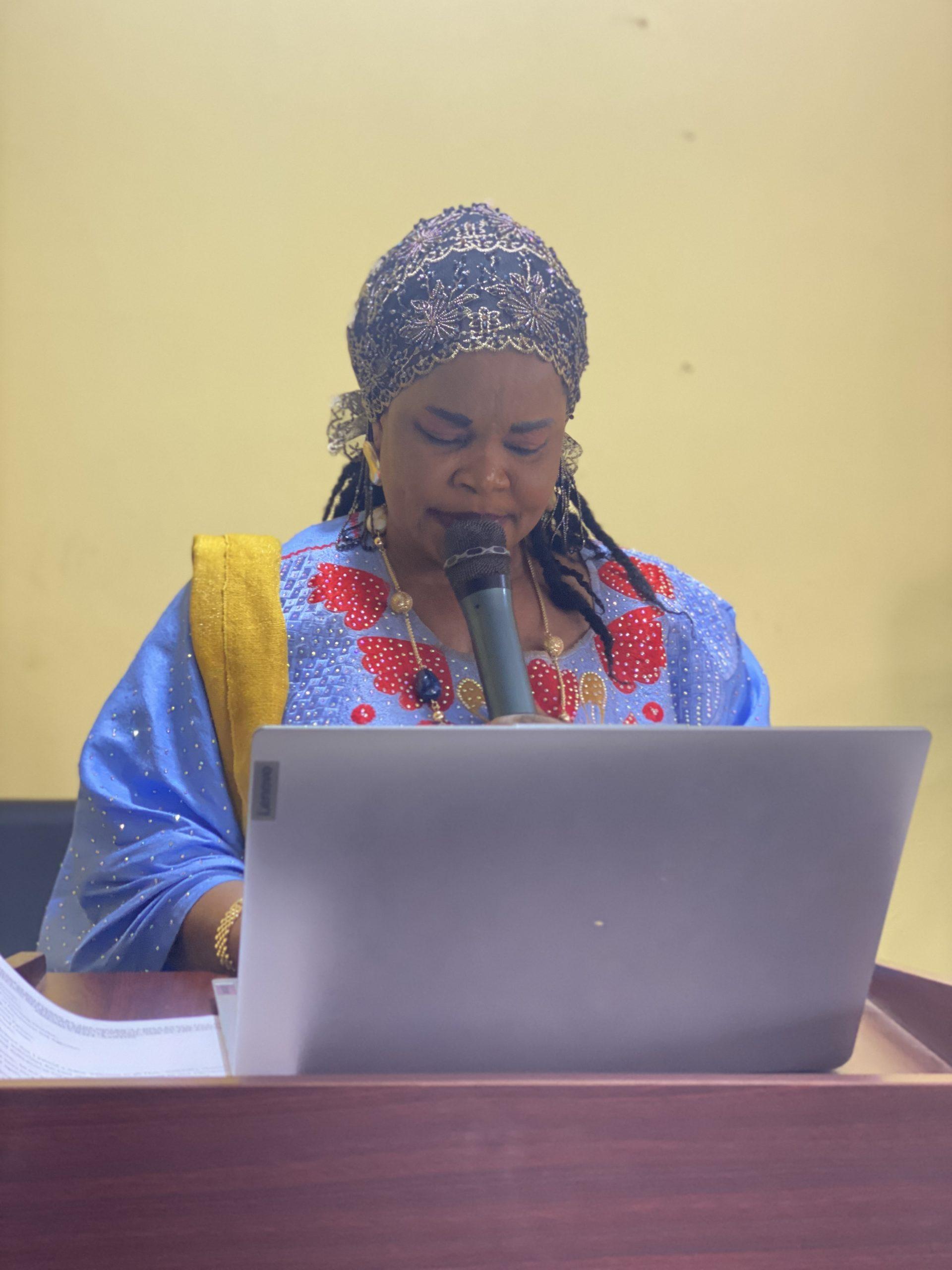
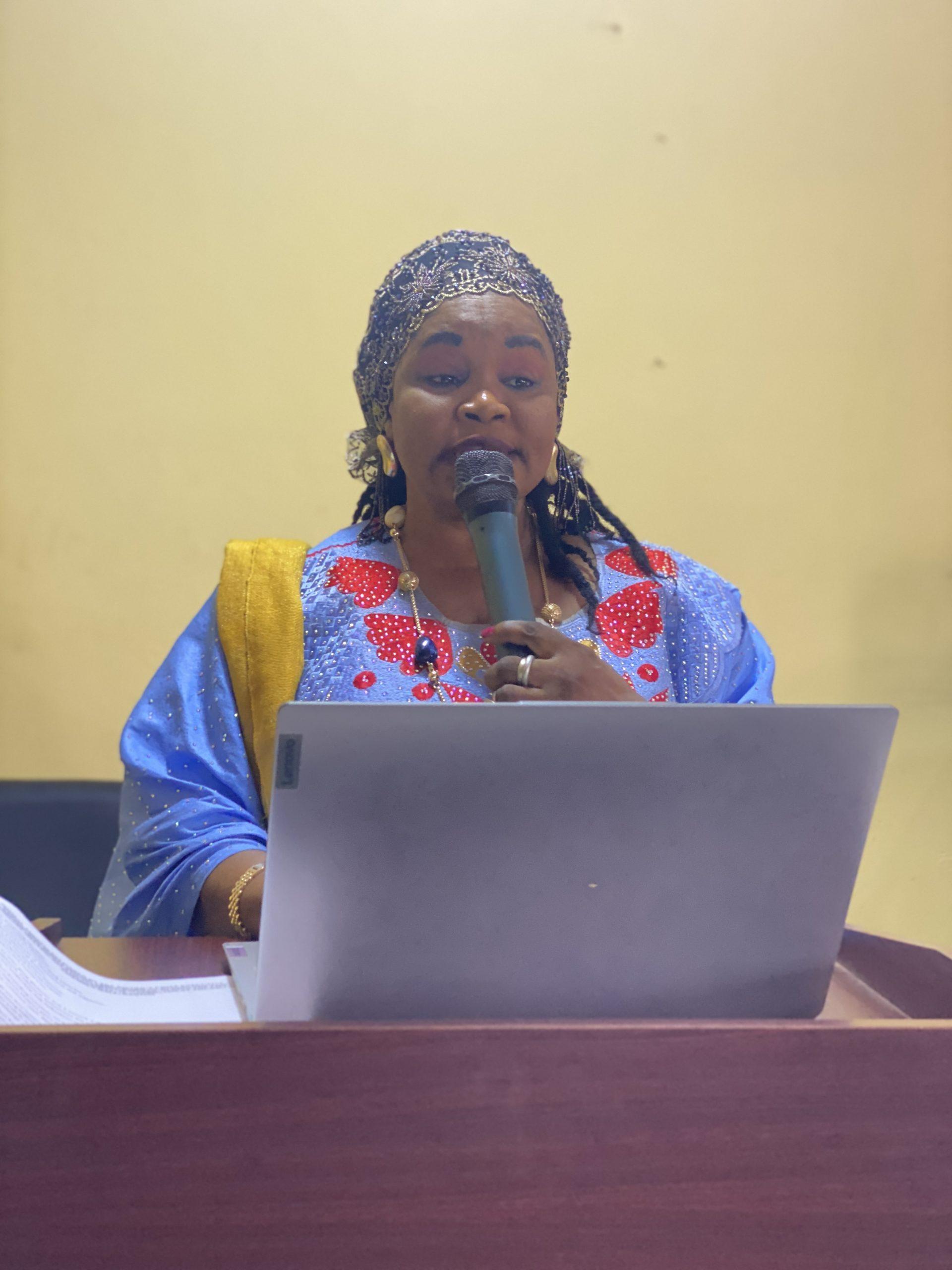
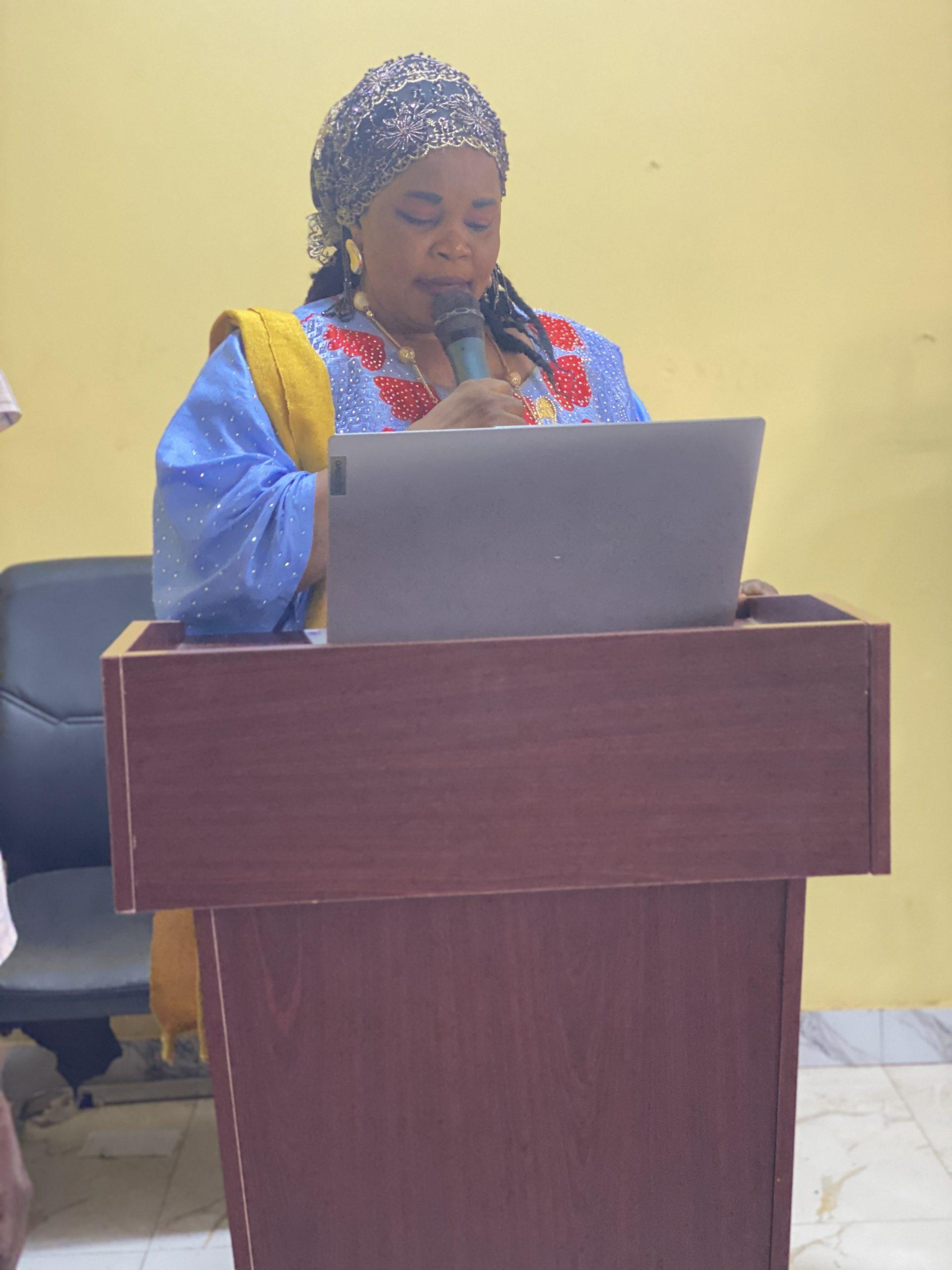
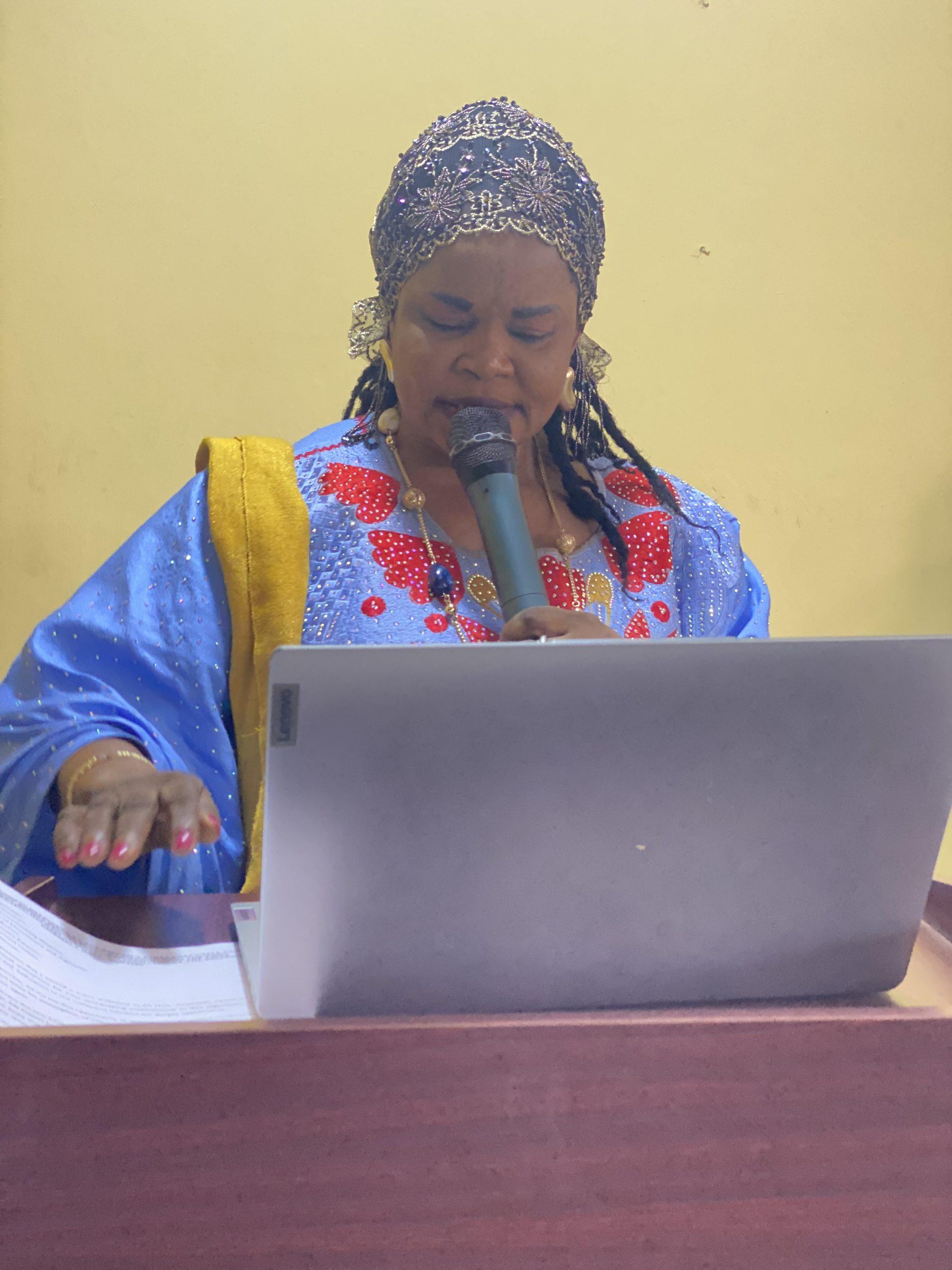
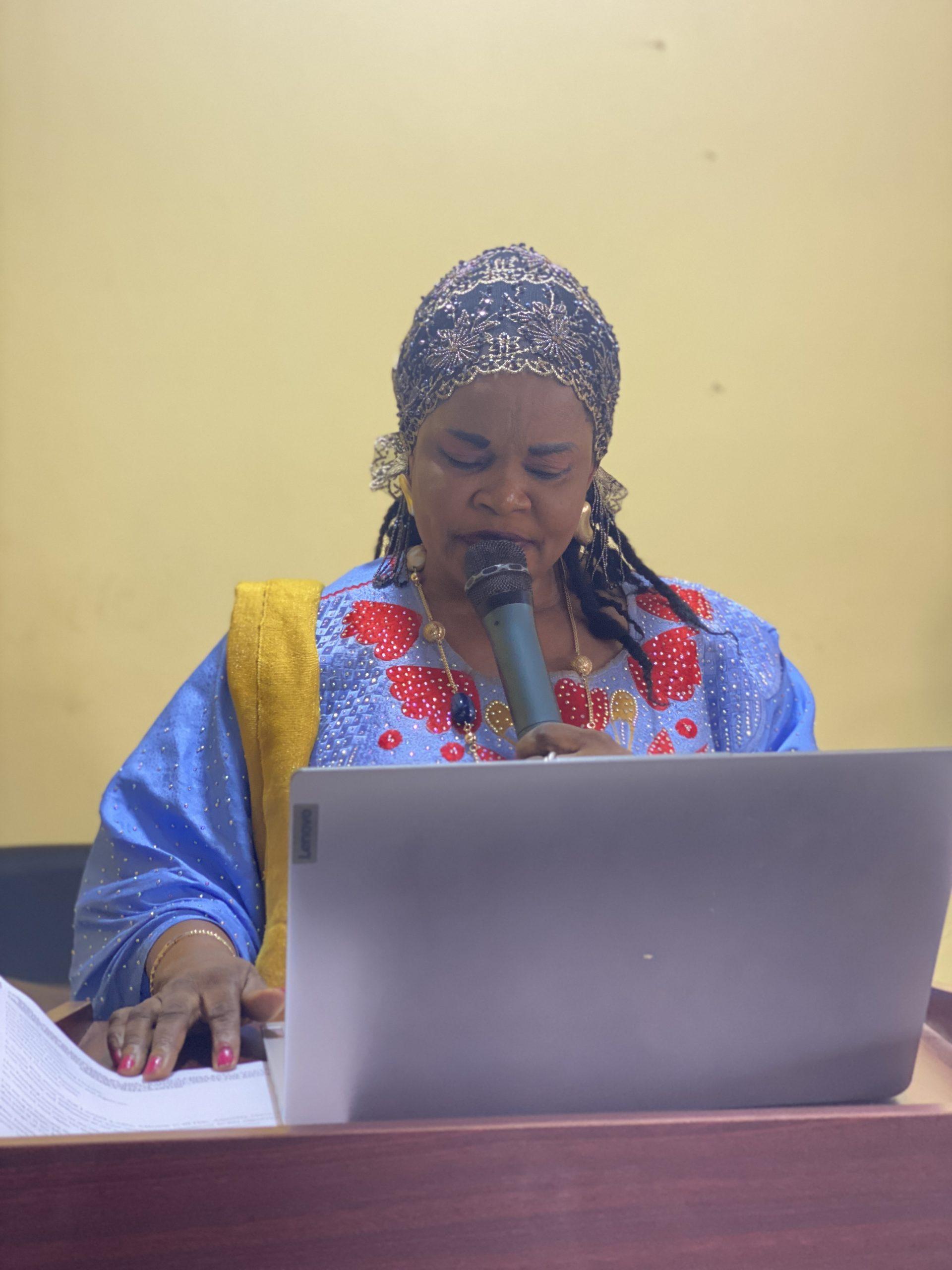
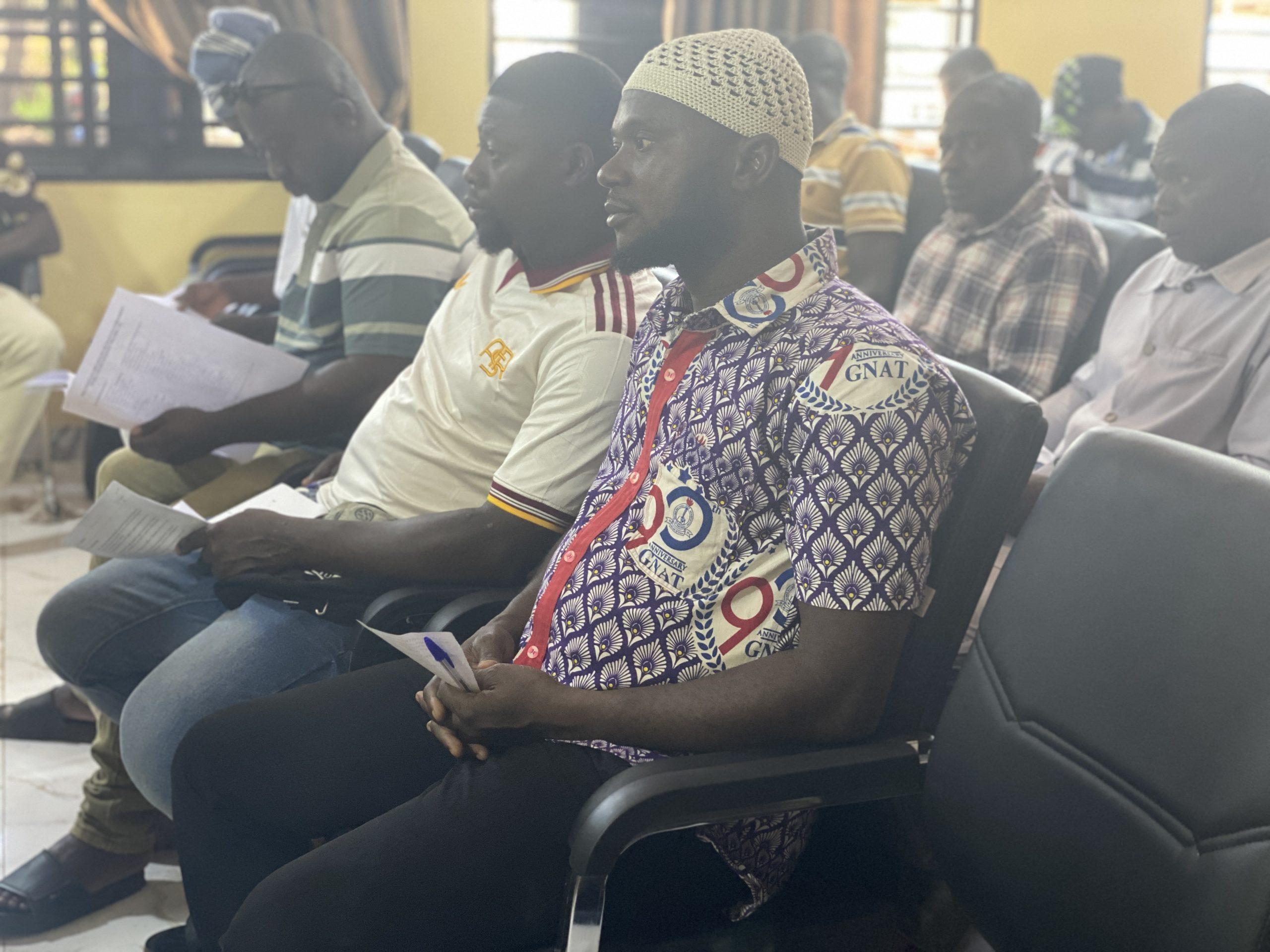
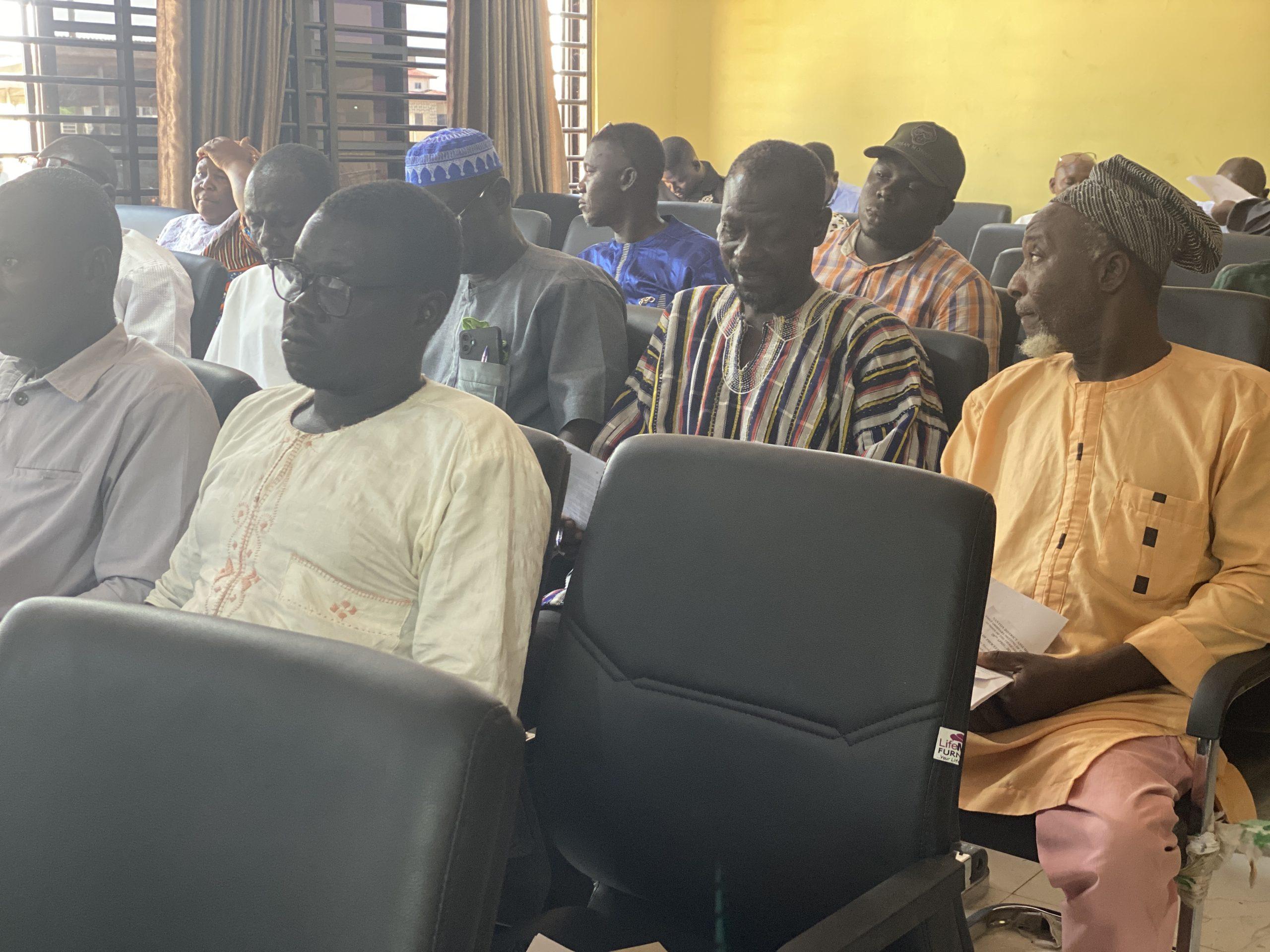
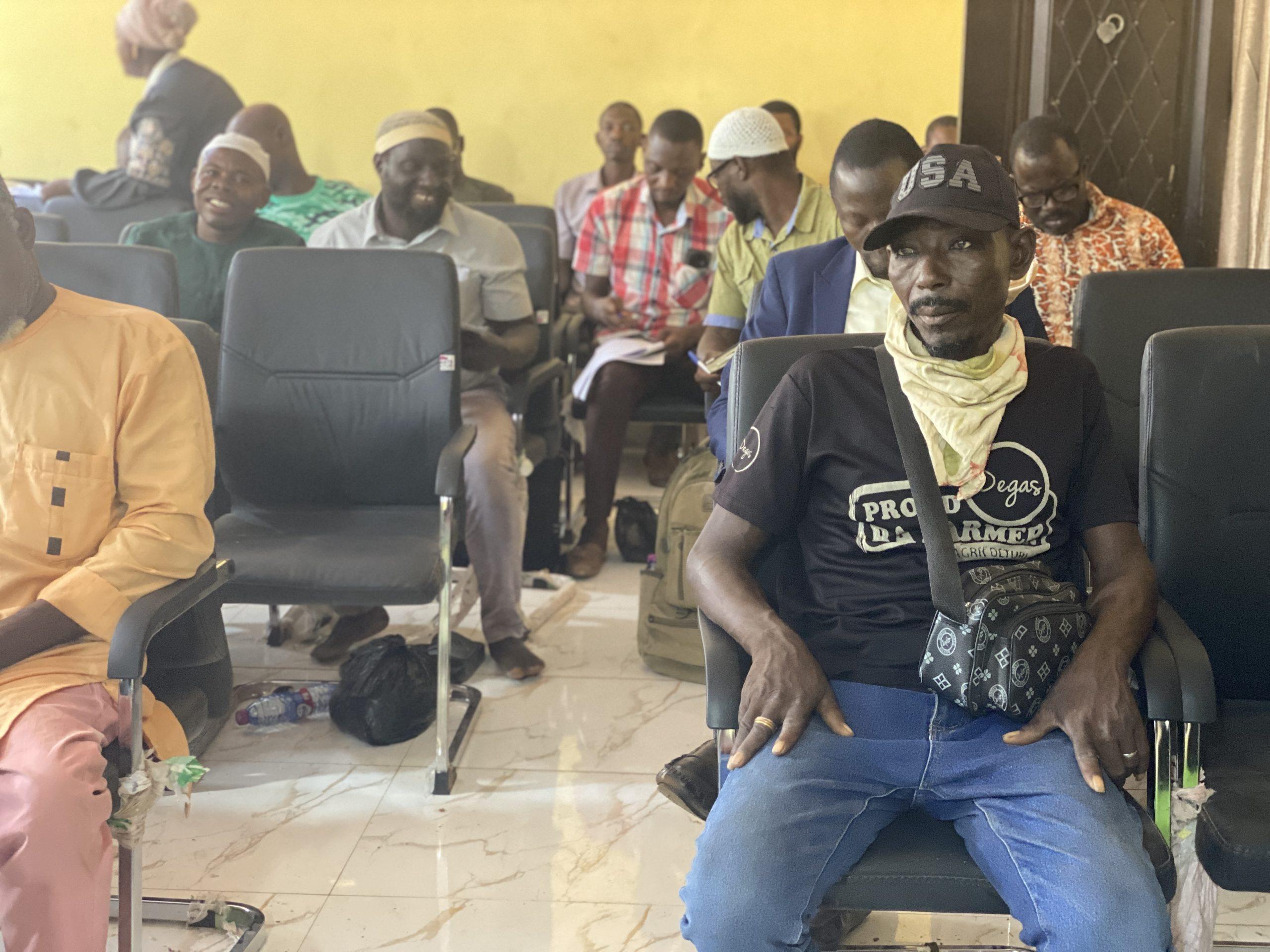
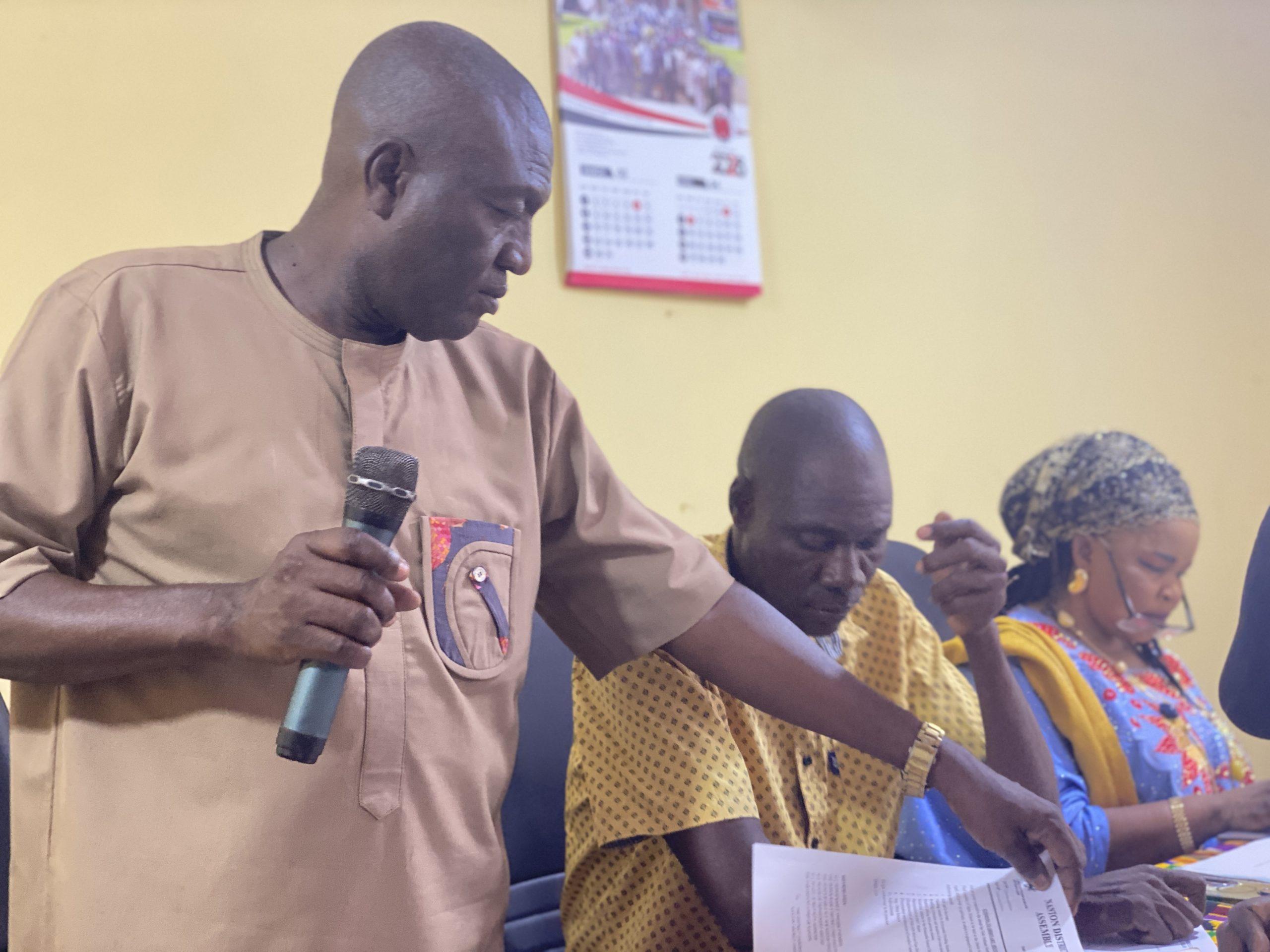
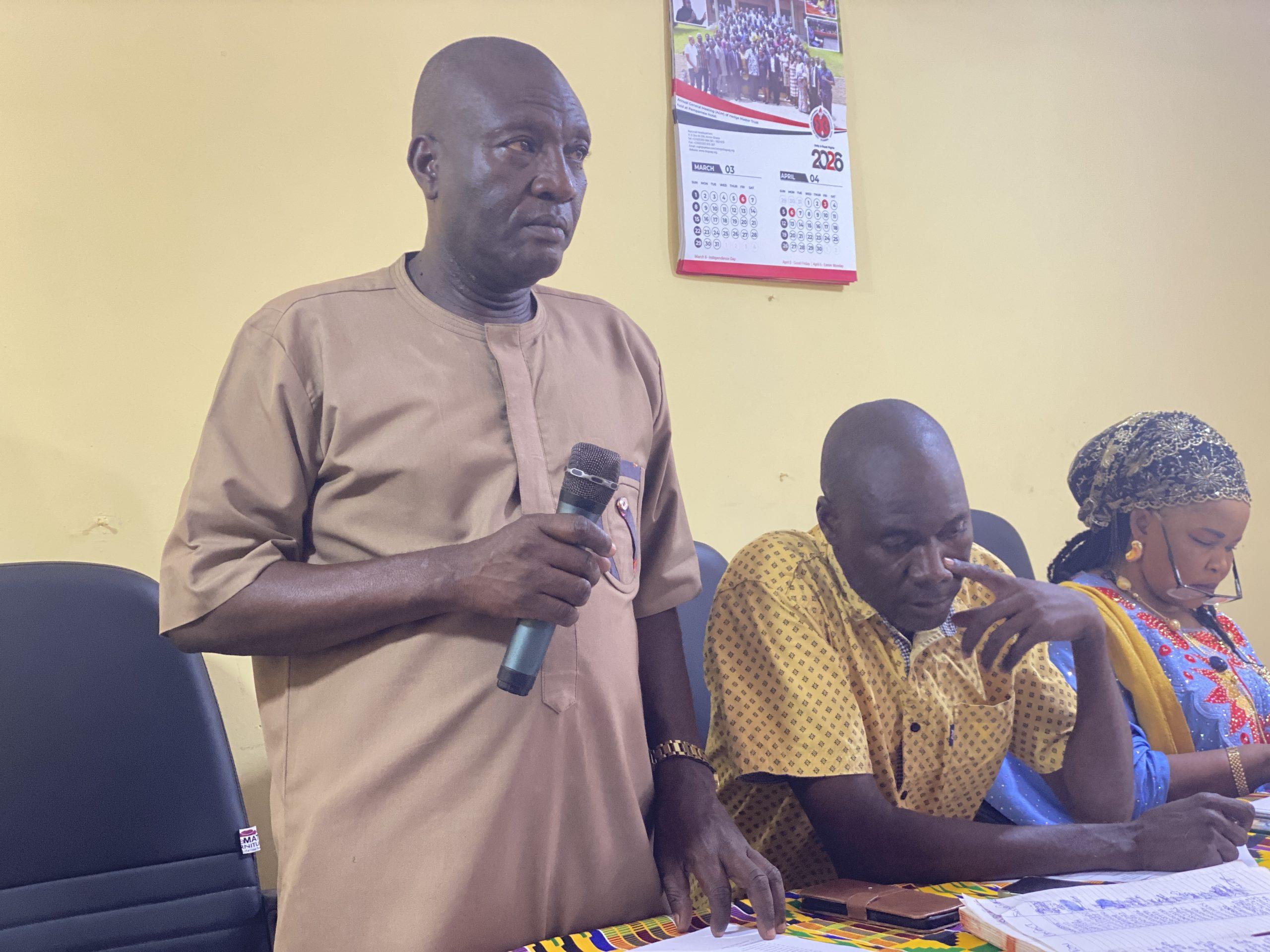
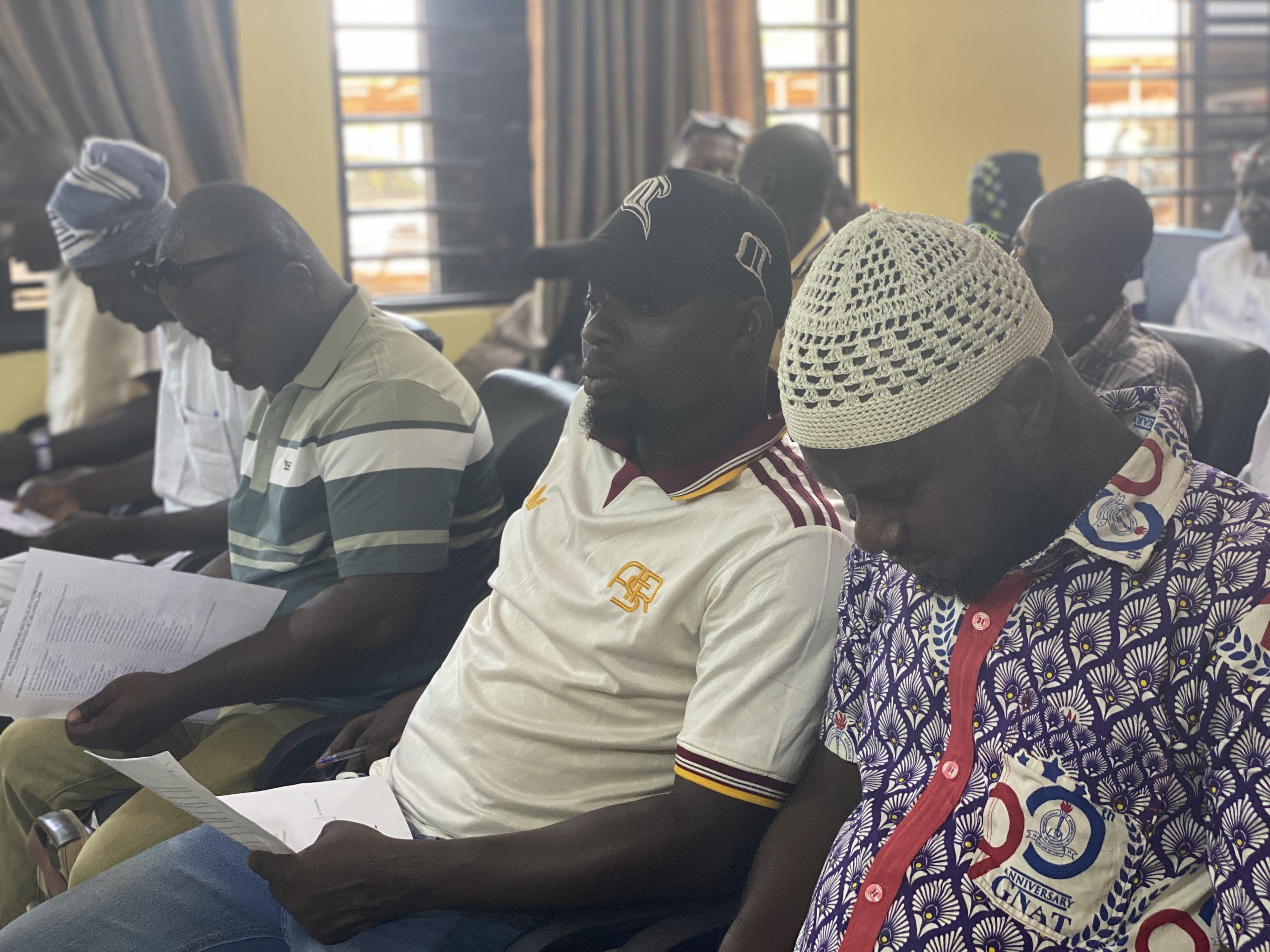
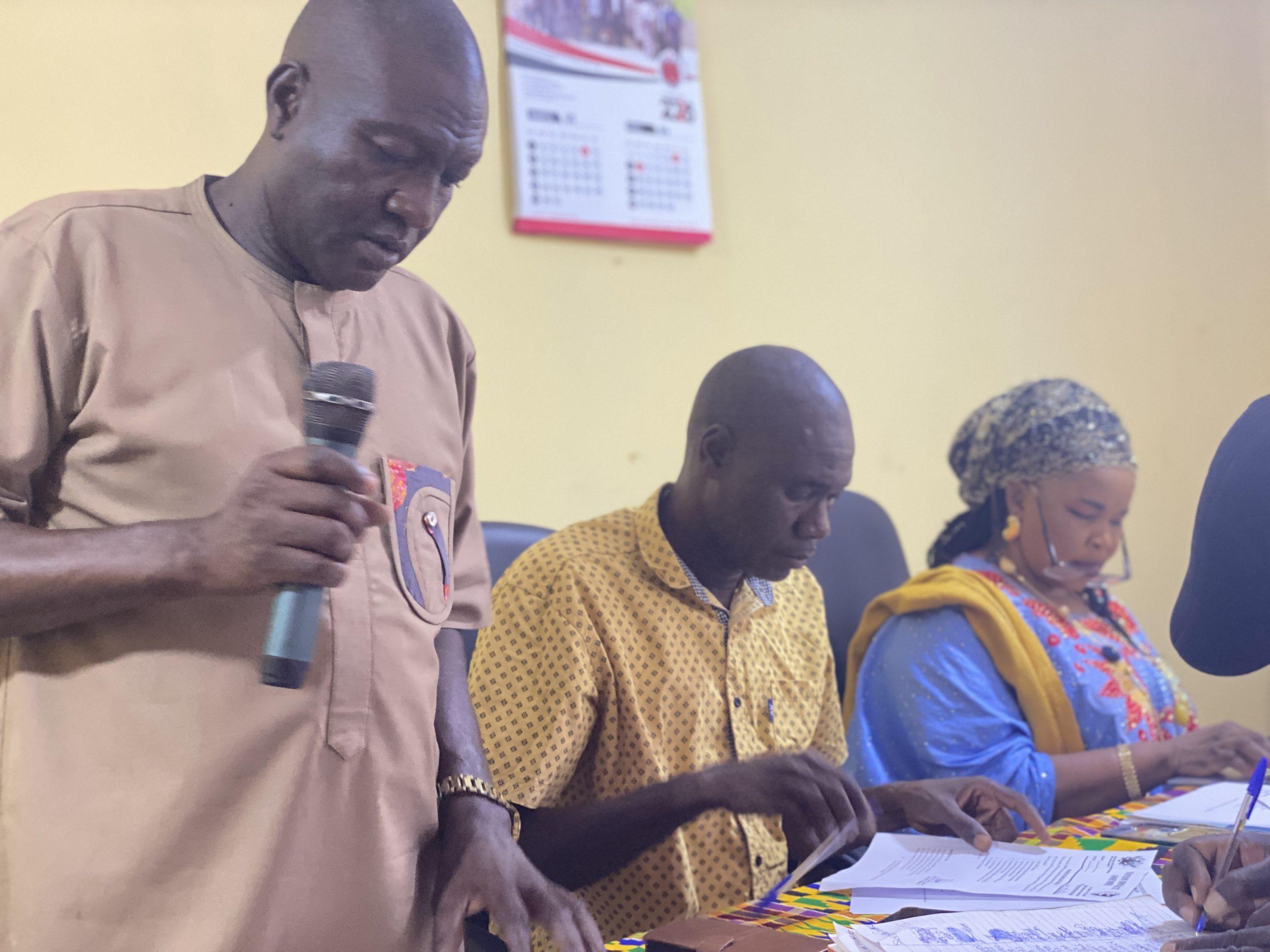
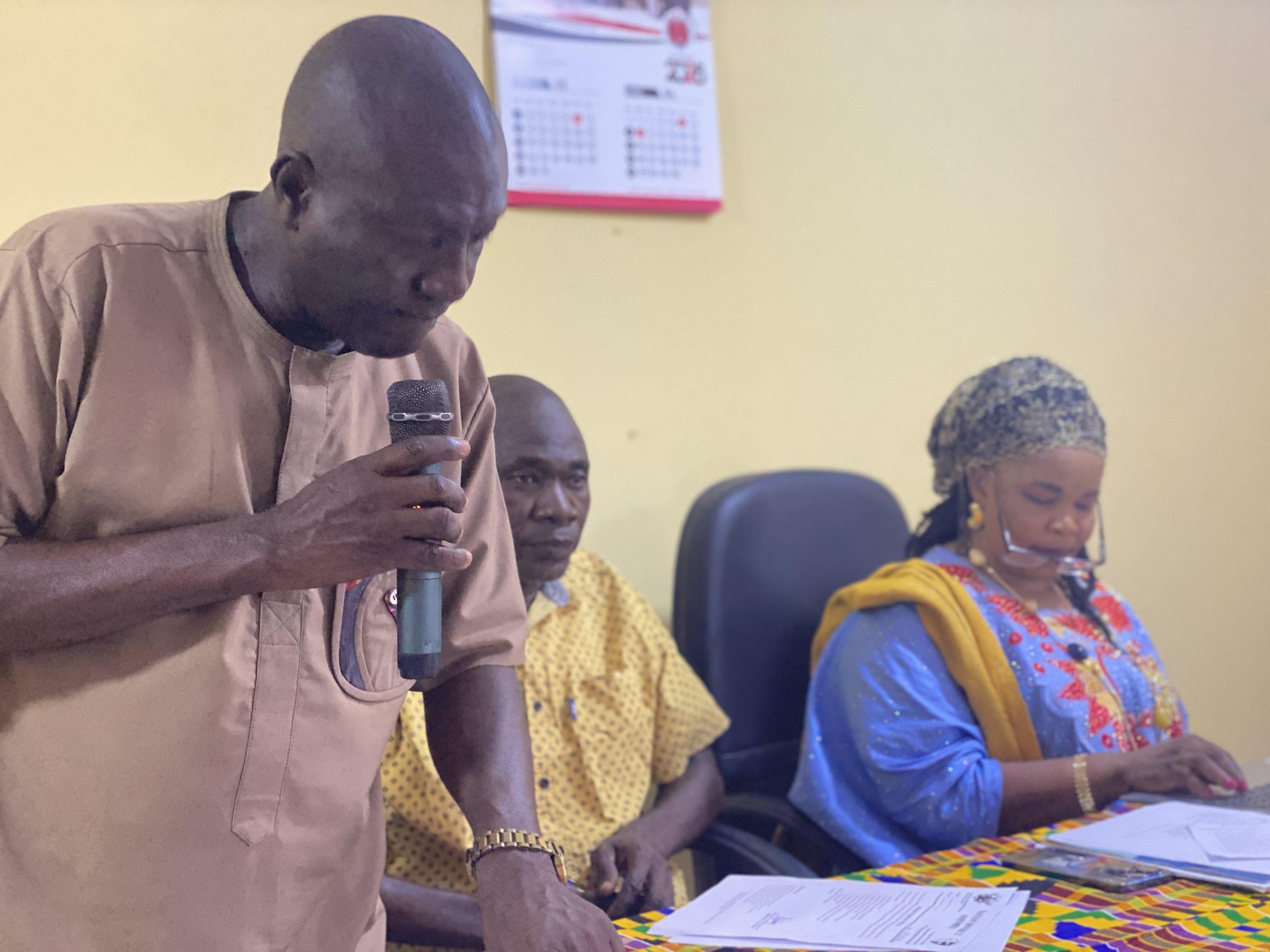
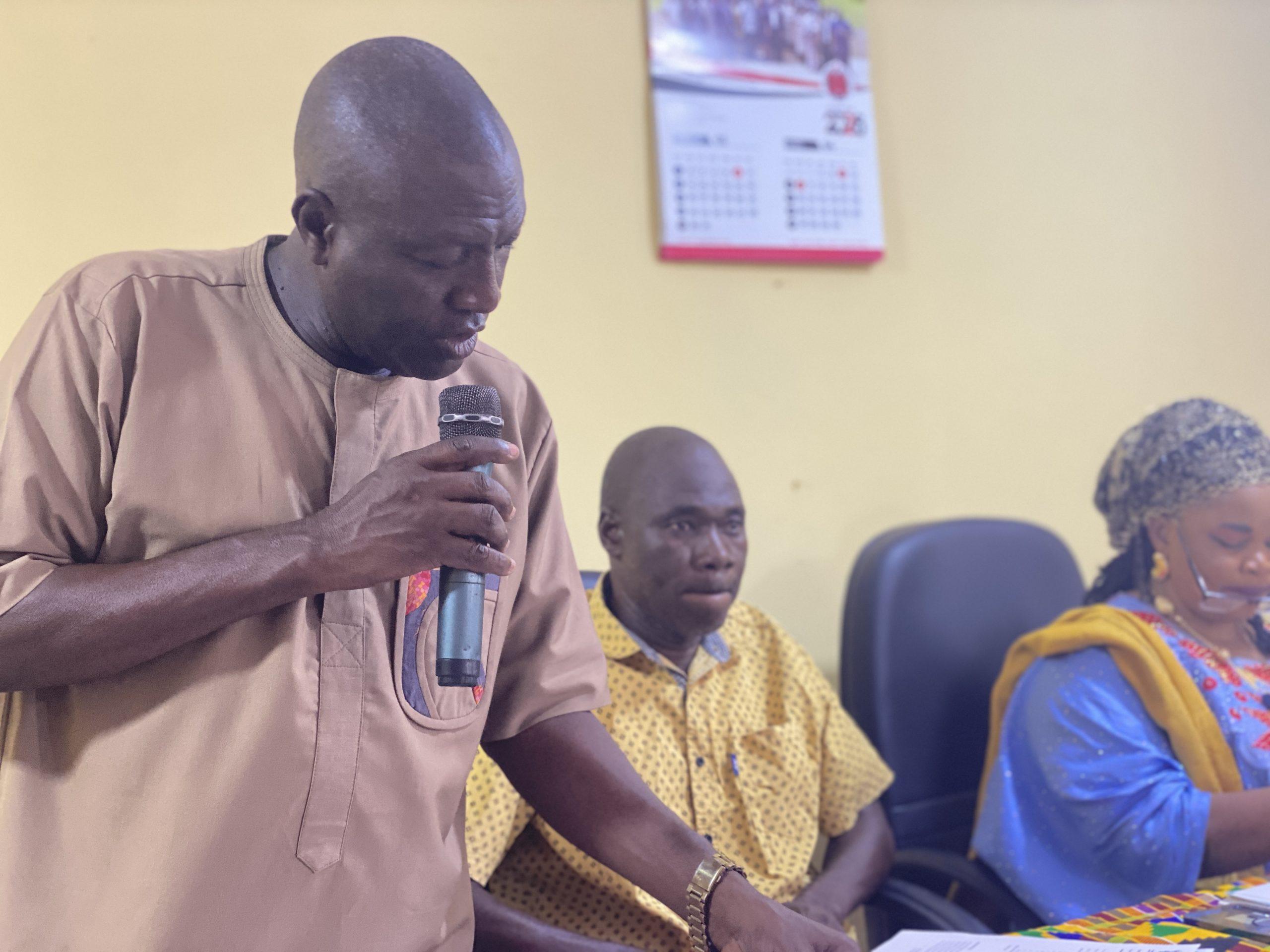
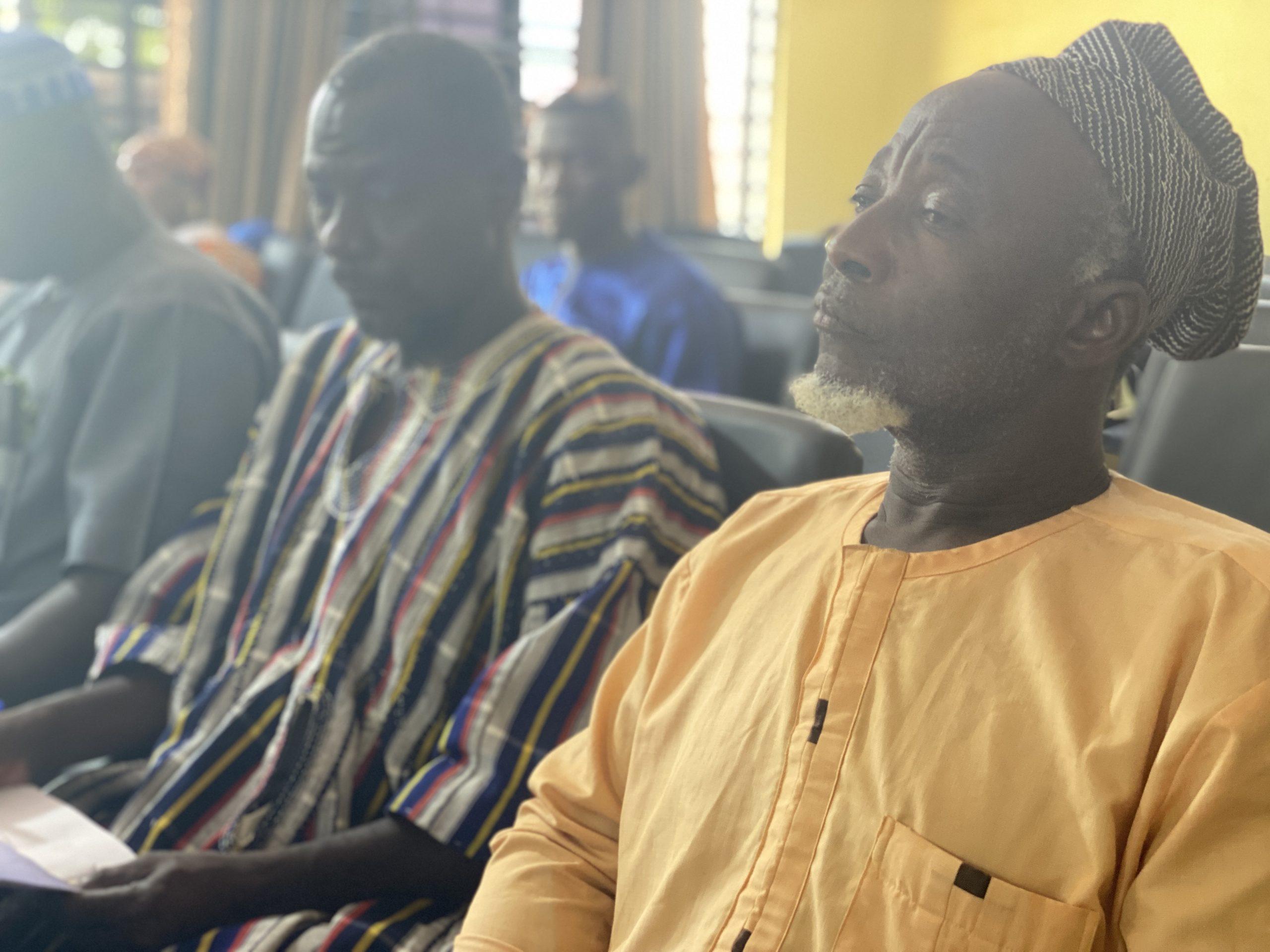
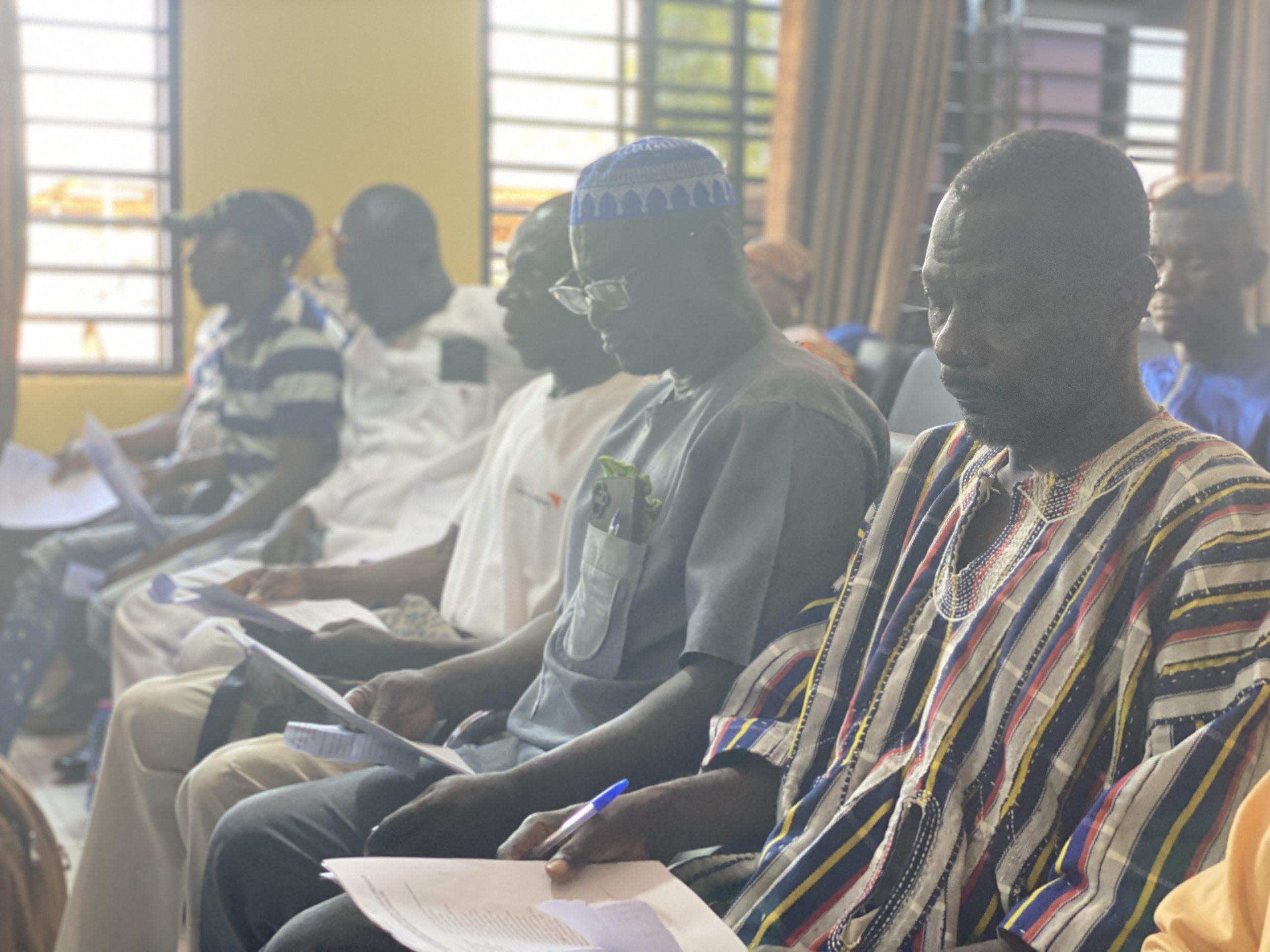
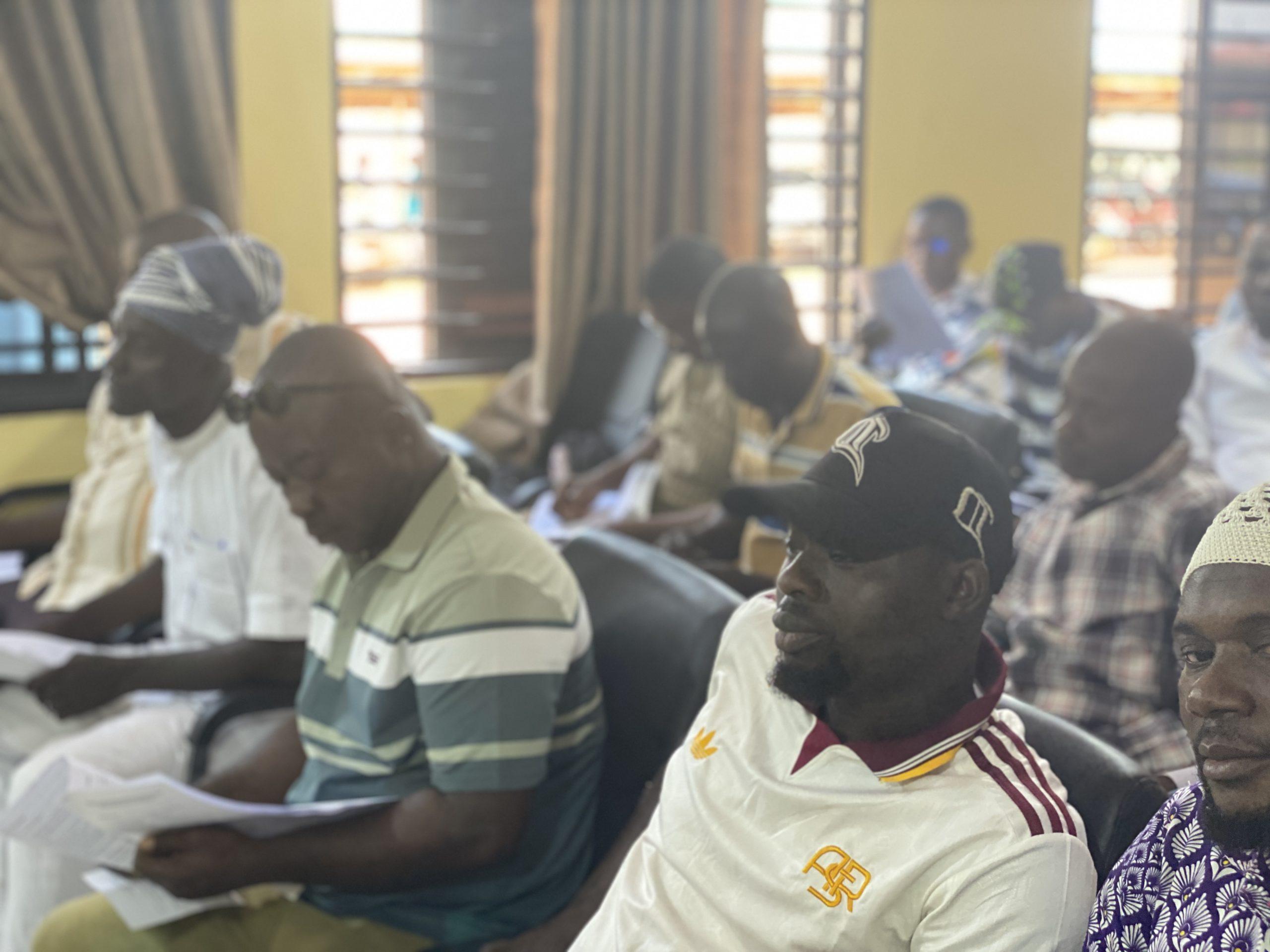
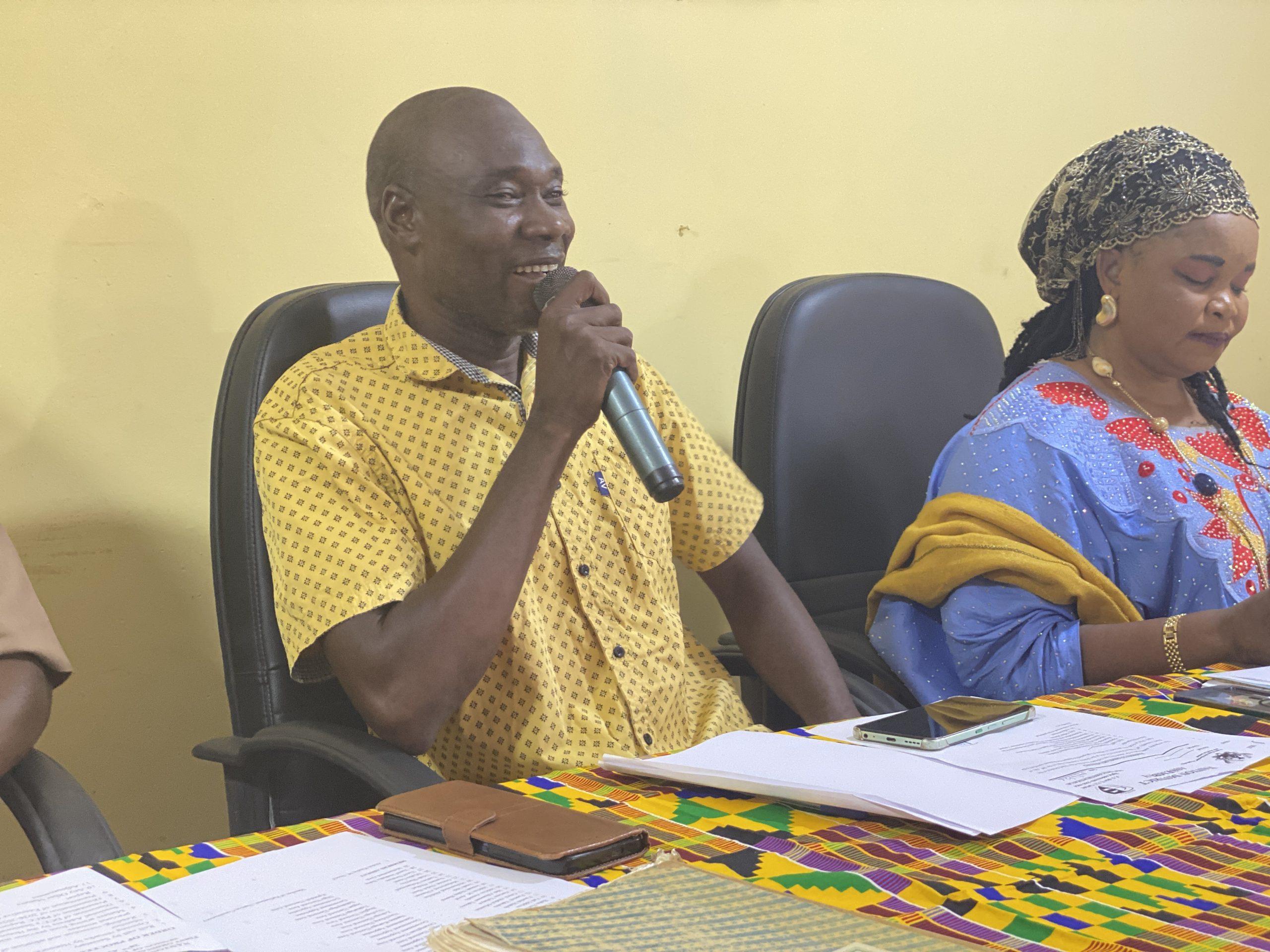
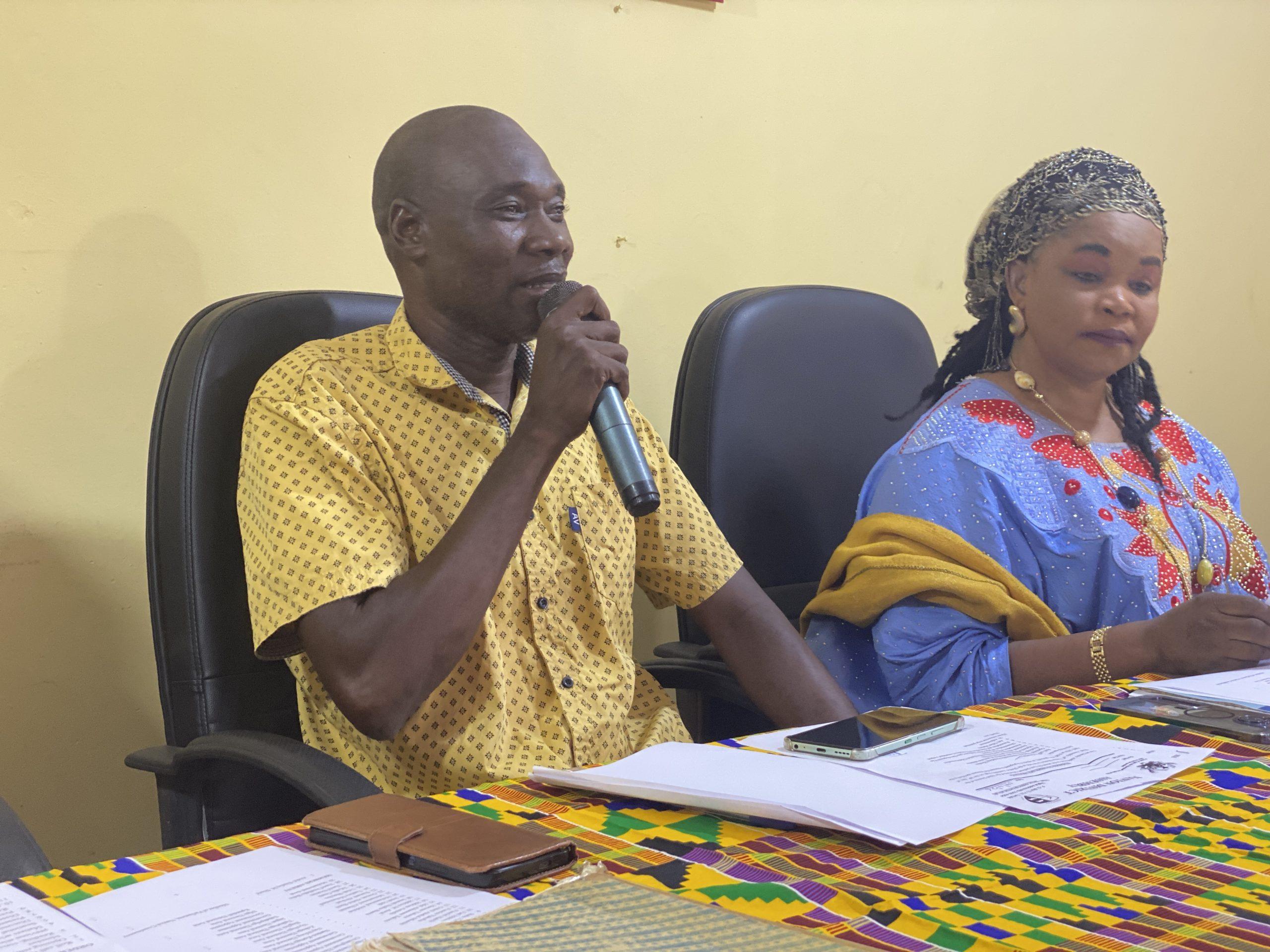
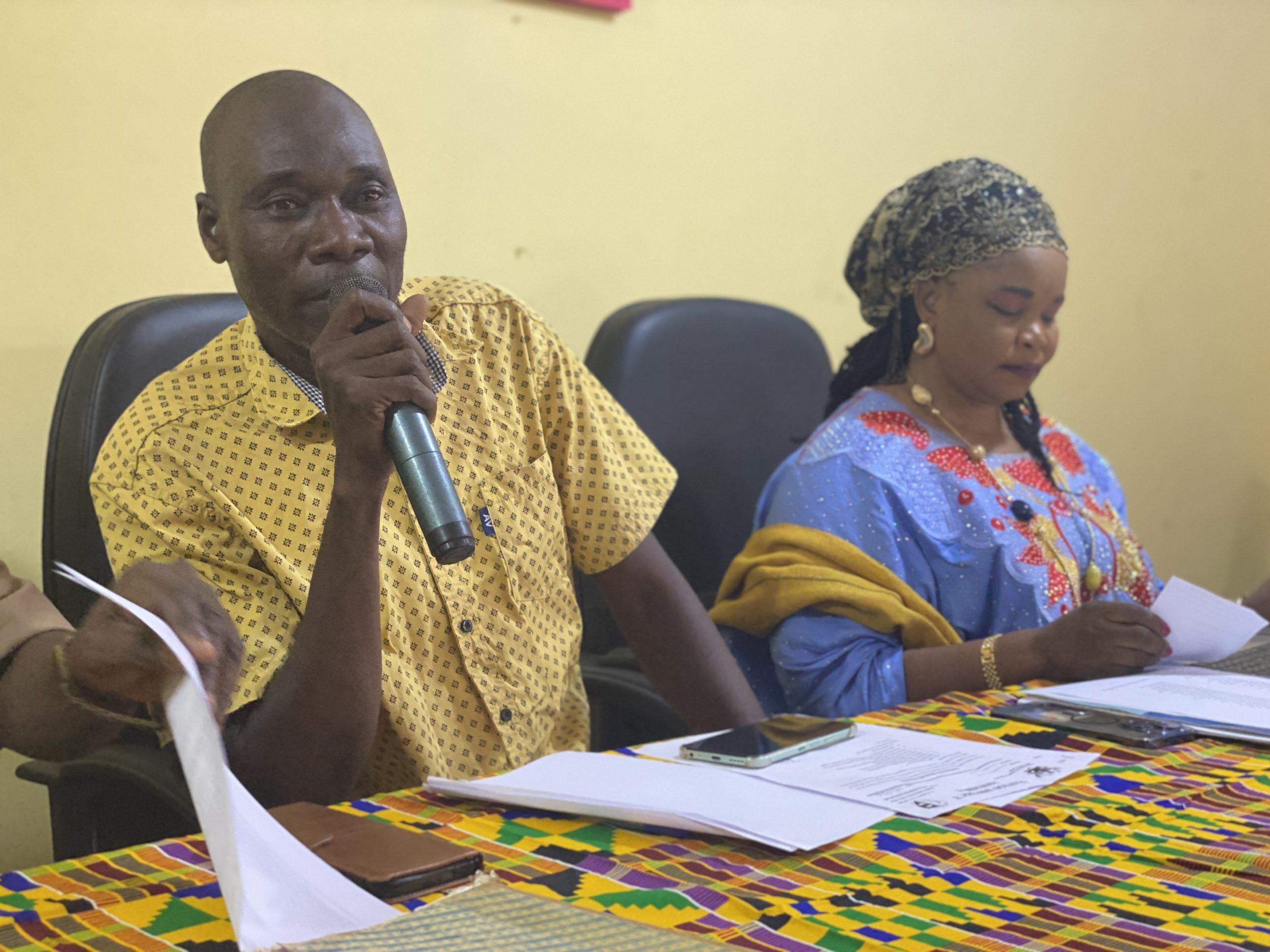
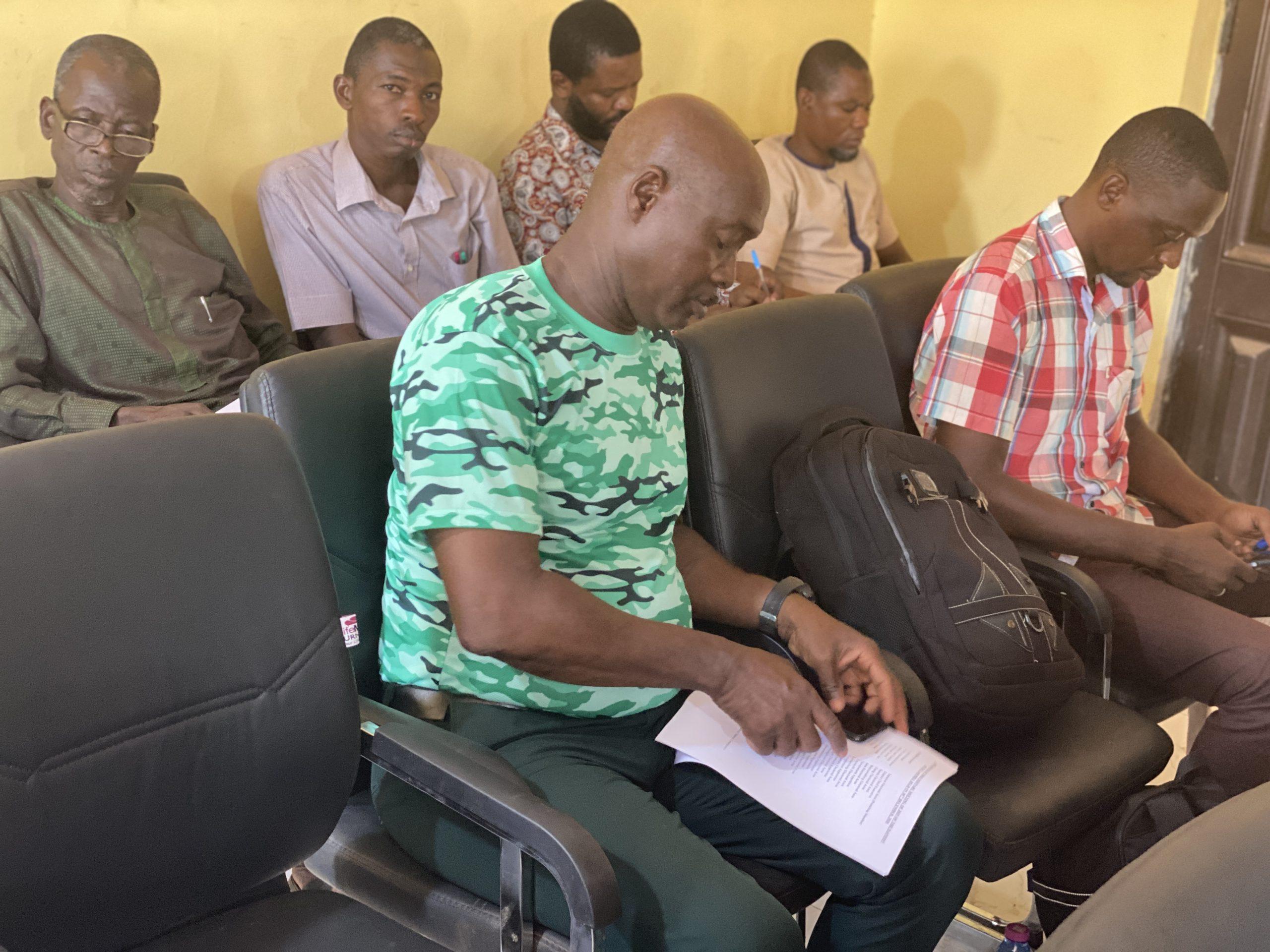
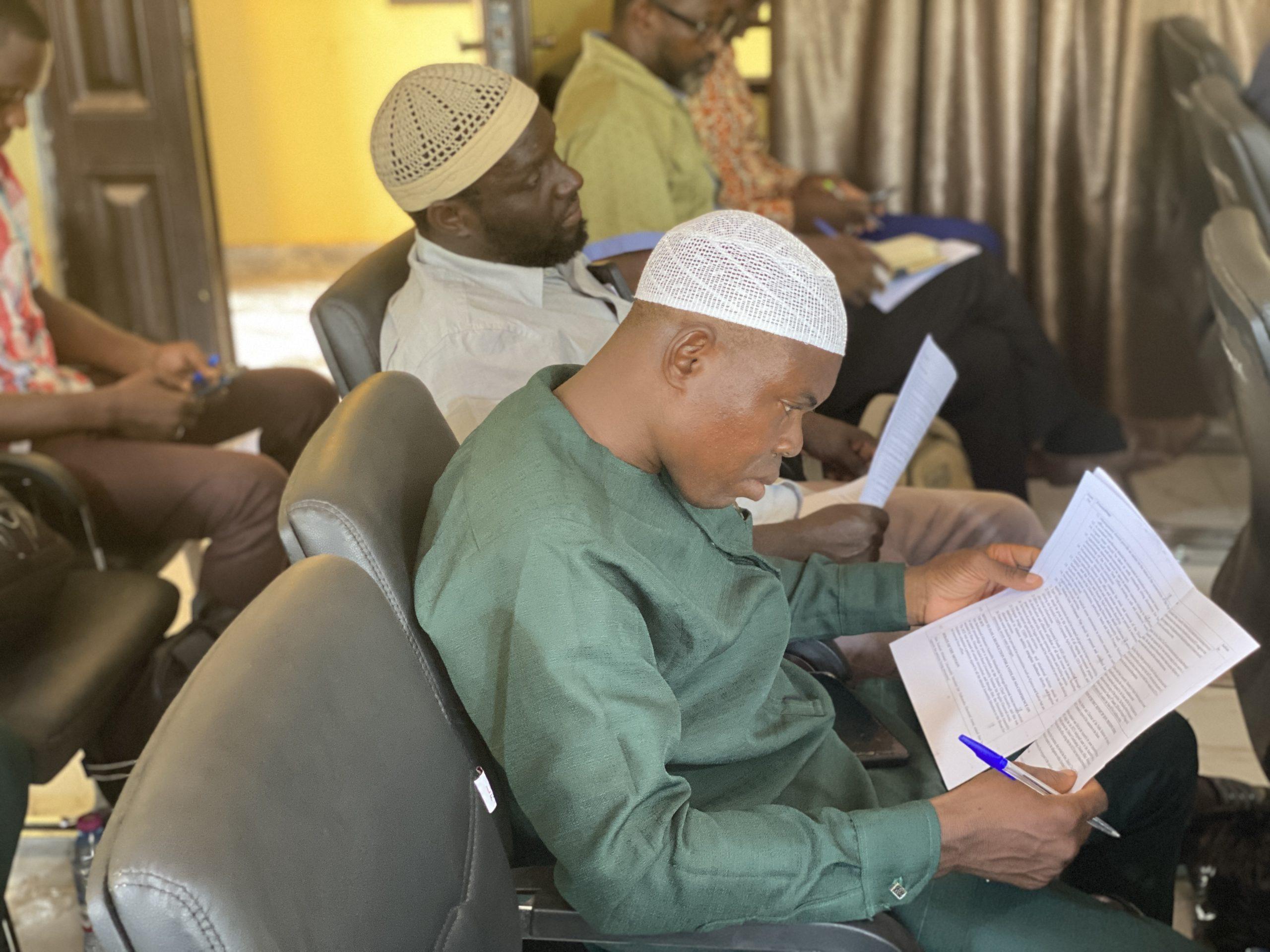
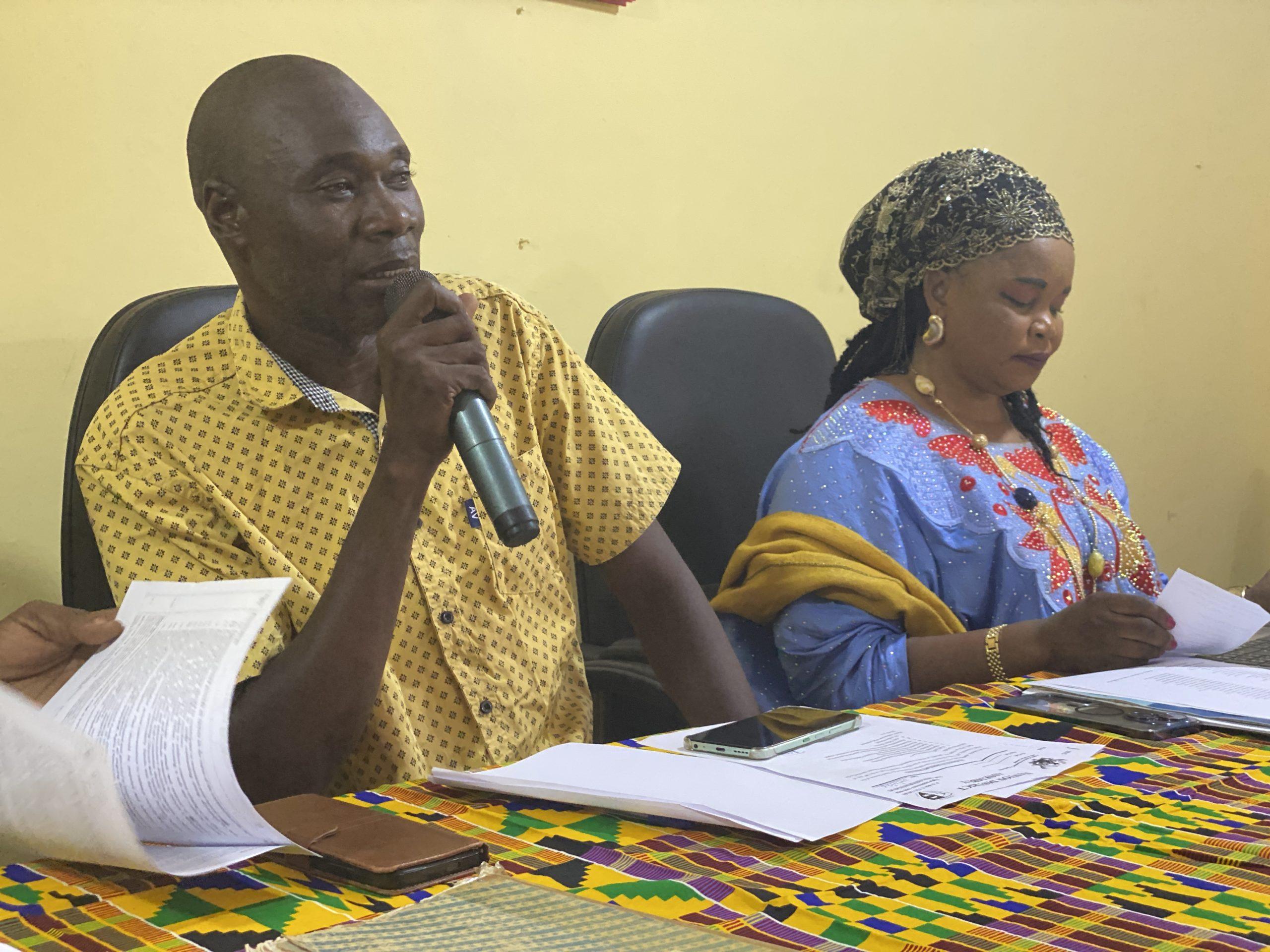
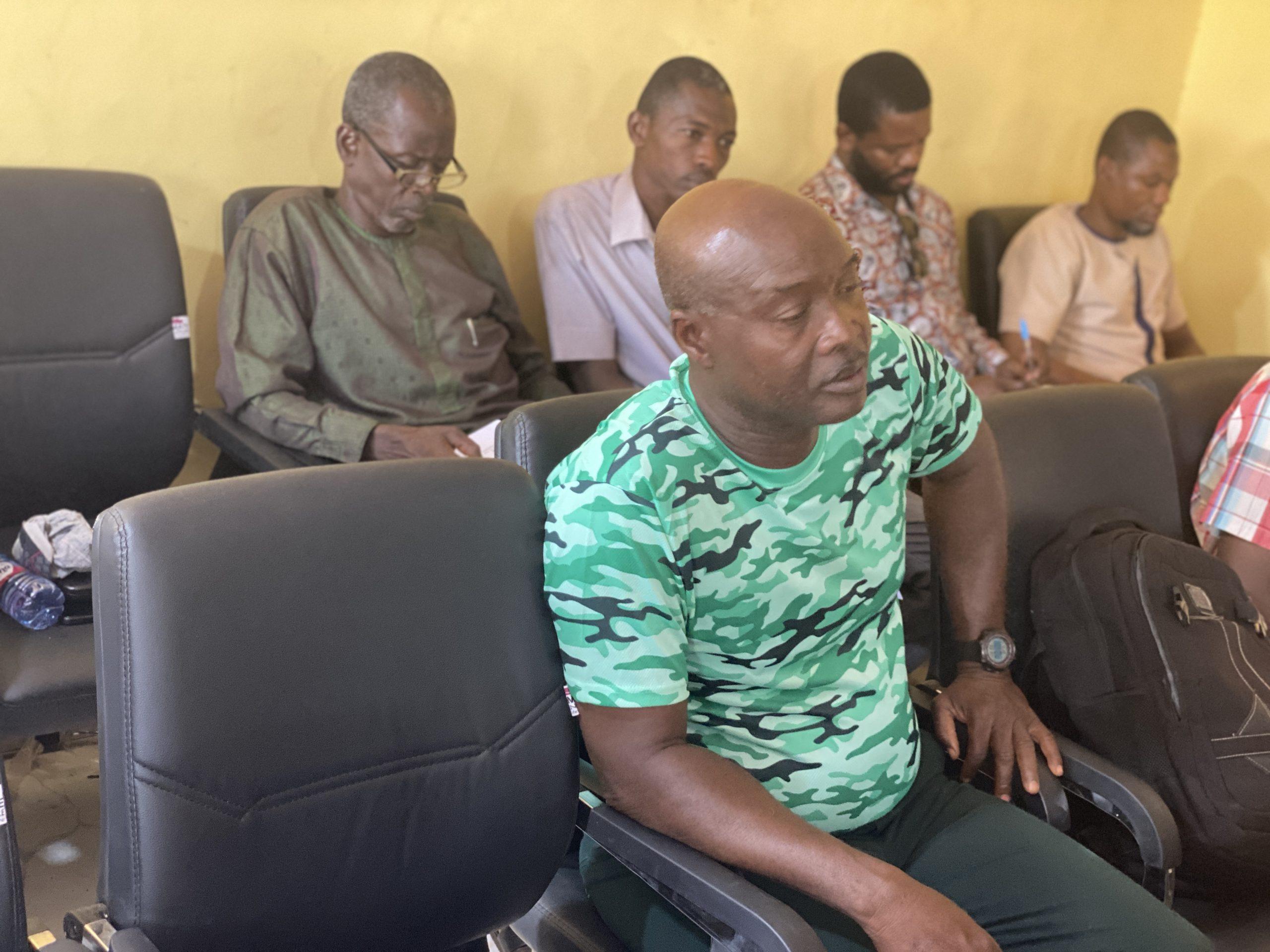
On 28th April 2026, the Nanton District Assembly convened its First Ordinary Meeting of the Third Session, bringing together stakeholders to deliberate on pressing development issues and set the tone for the district’s priorities in the coming years.
A Structured Session Focused on Progress
The meeting followed a clear procedural flow—beginning with roll call and opening remarks, moving through the adoption of previous minutes, and culminating in key presentations and discussions. Central to the session was the District Chief Executive’s address and the review of strategic reports, including the 2026–2029 Medium-Term Development Plan (MTDP).
Major Development Concerns Raised
The Executive Committee’s report highlighted several urgent challenges facing the district:
- Infrastructure and Roads: Poor road conditions, particularly the Batangyili–Nanton–Kurugu stretch, were flagged for immediate rehabilitation. Additionally, damaged culverts and deteriorating infrastructure remain a concern ahead of the rainy season.
- Education: A recurring issue was the lack of furniture in basic schools. Several schools also require urgent renovation or re-roofing after storm damage.
- Healthcare Access: The need for a CHPS compound at Tampion Gumani was emphasized to improve access to primary healthcare services.
- Market and Economic Activity: The Nanton market, which has operated without proper roofing for two years, is set for rehabilitation. Plans also include relocating the animal market to a more central and accessible location.
- Water and Sanitation: Provision of a borehole for Kpanya and improved sanitation facilities for schools were proposed as immediate interventions.
Strengthening Local Revenue and Services
To boost Internally Generated Funds (IGF), the Assembly proposed renovating the butcher house in Nanton and constructing a new one in Tampion. There were also calls to improve management oversight, particularly regarding the District Road Improvement Project (DRIP), including forming a dedicated sub-committee.
Emergency and Public Services
The meeting underscored the need for better support for emergency services, including infrastructure for the District Ambulance Service. This reflects a broader push to strengthen response systems and public safety.
Policy Direction Moving Forward
One notable recommendation was to institutionalize the inclusion of furniture in all education and health infrastructure projects—an attempt to address recurring gaps through policy rather than reactive fixes.
Closing Thoughts
The meeting made one thing clear: the district is facing real, practical challenges that require immediate and coordinated action. From roads and schools to healthcare and markets, the priorities are grounded in everyday realities. The real test now lies in execution—turning these recommendations into visible improvements for the people of Nanton.
If implementation follows through, this session may well mark a turning point toward more structured and impactful local governance.