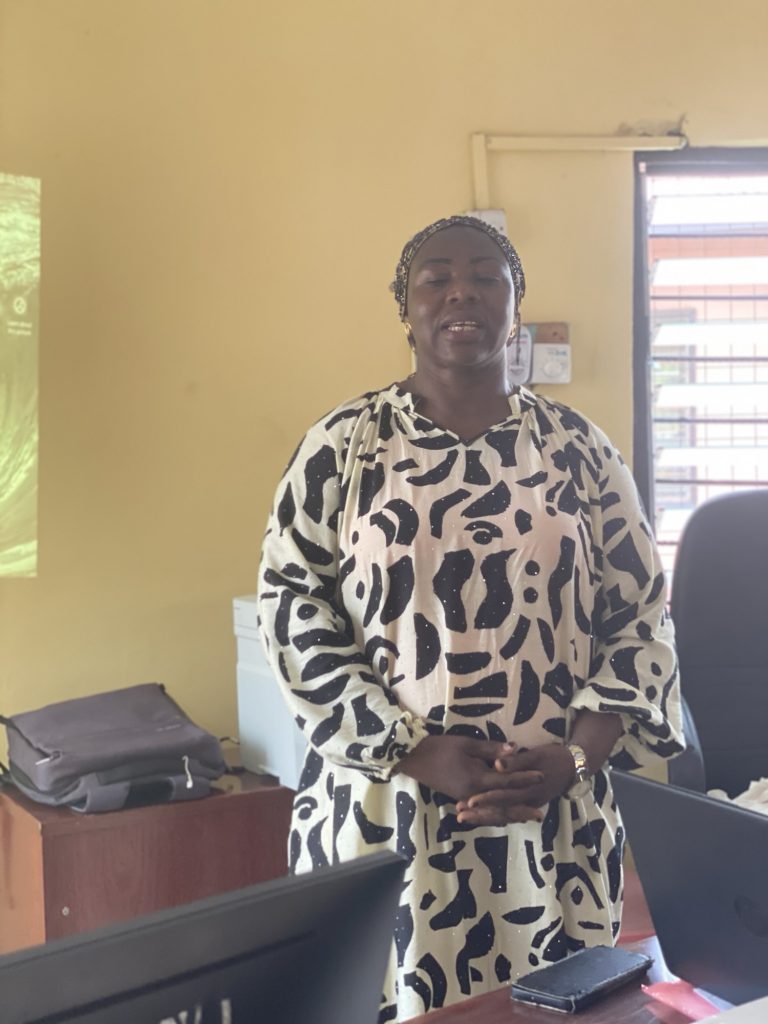
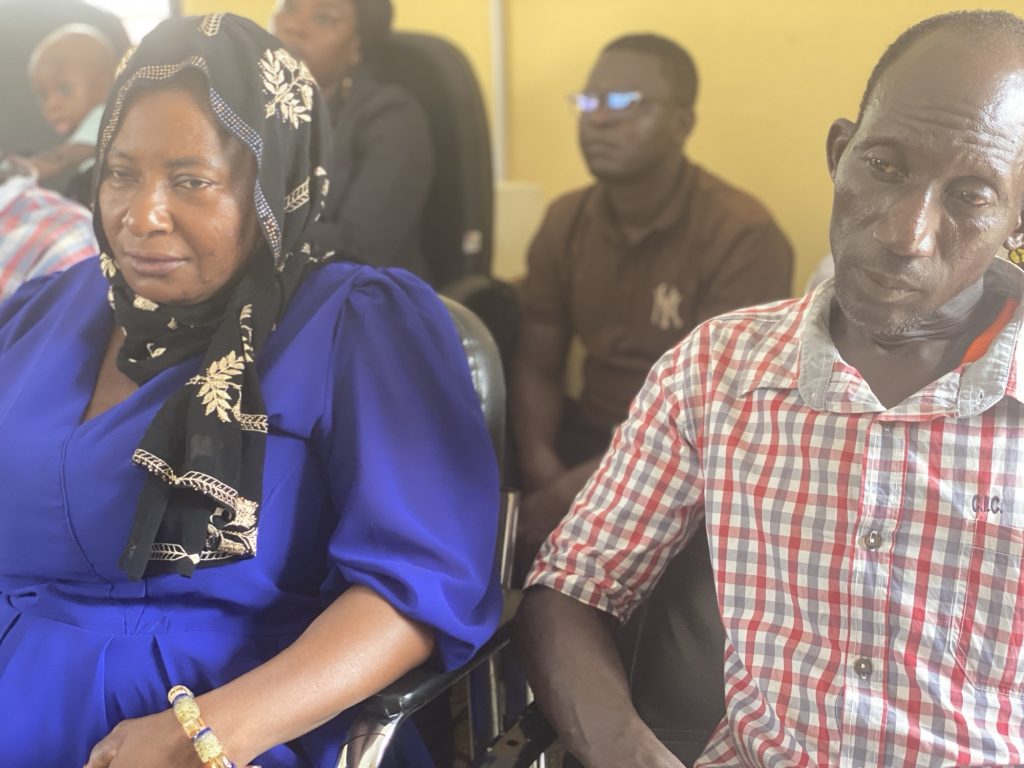
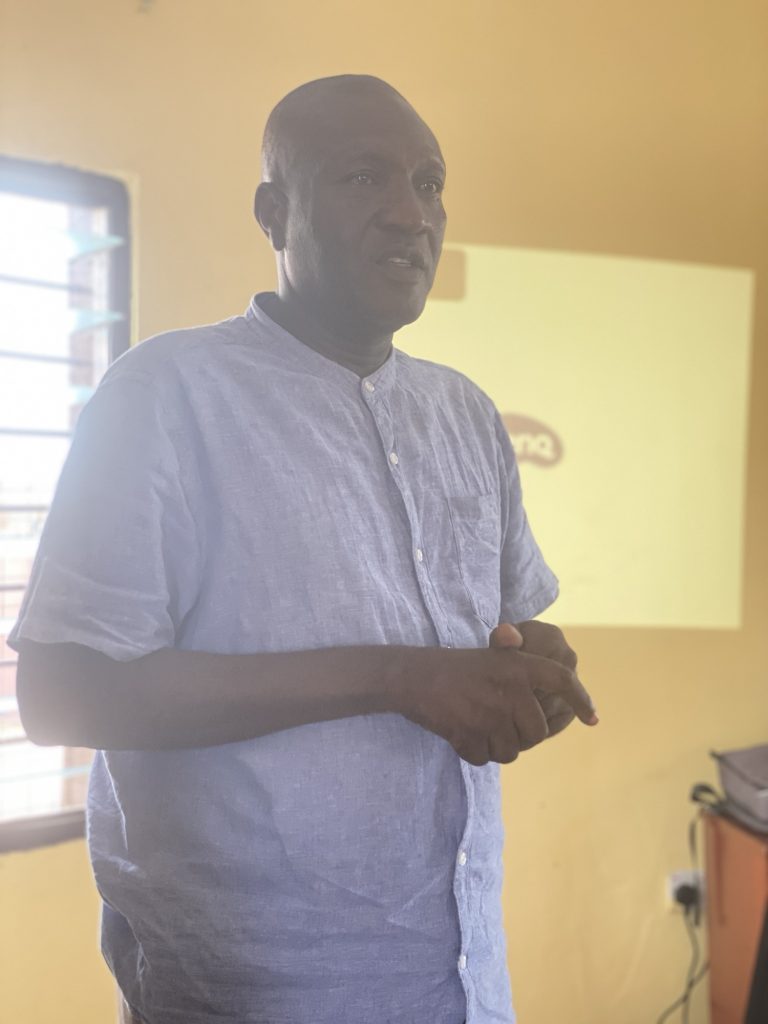
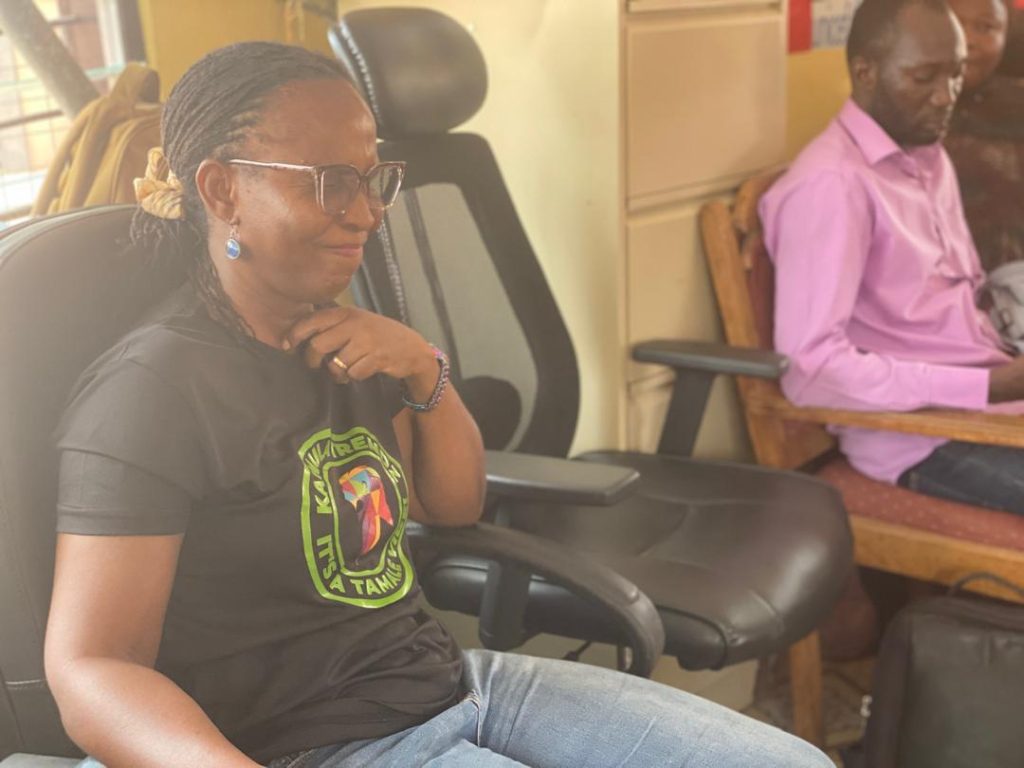
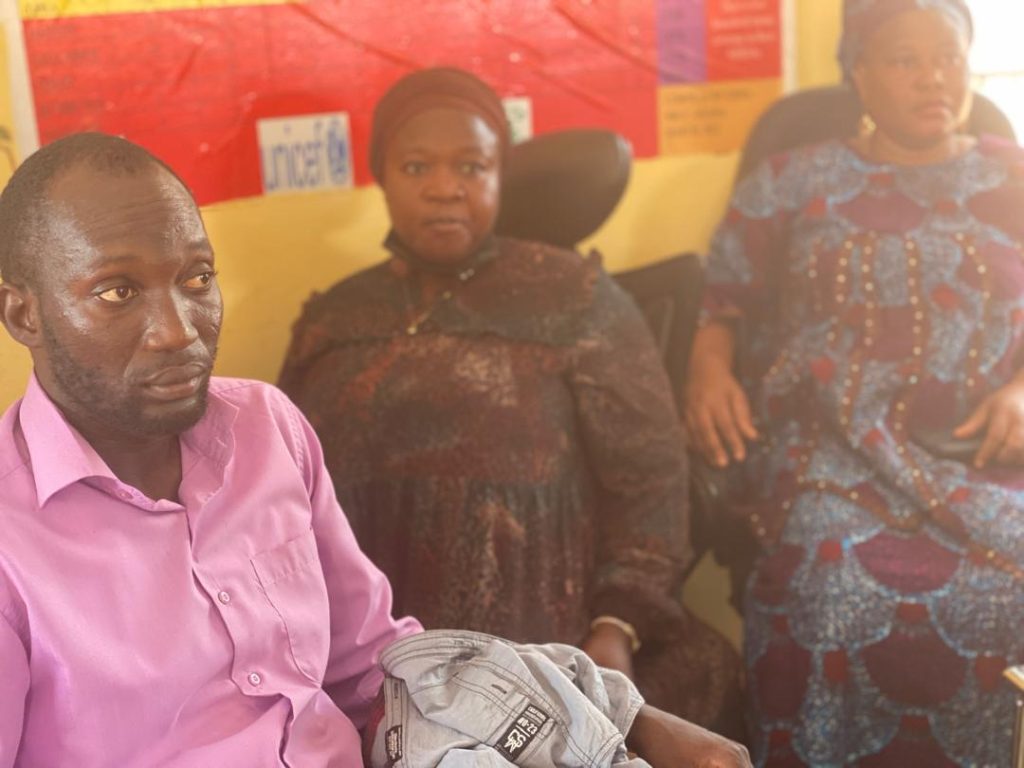
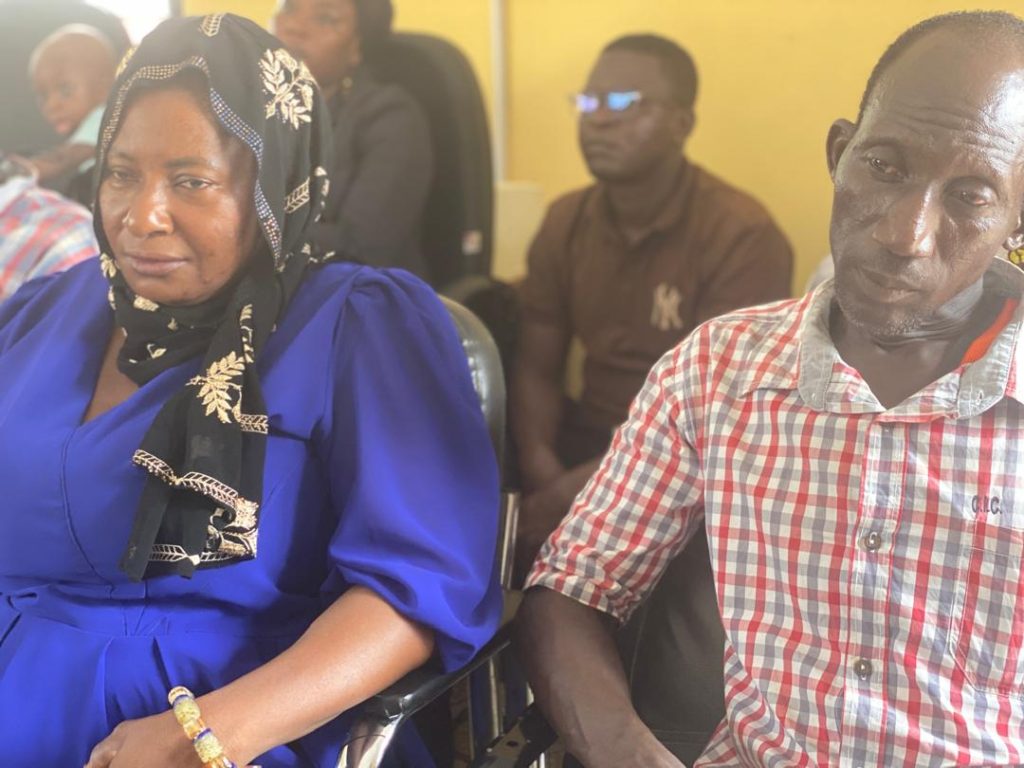
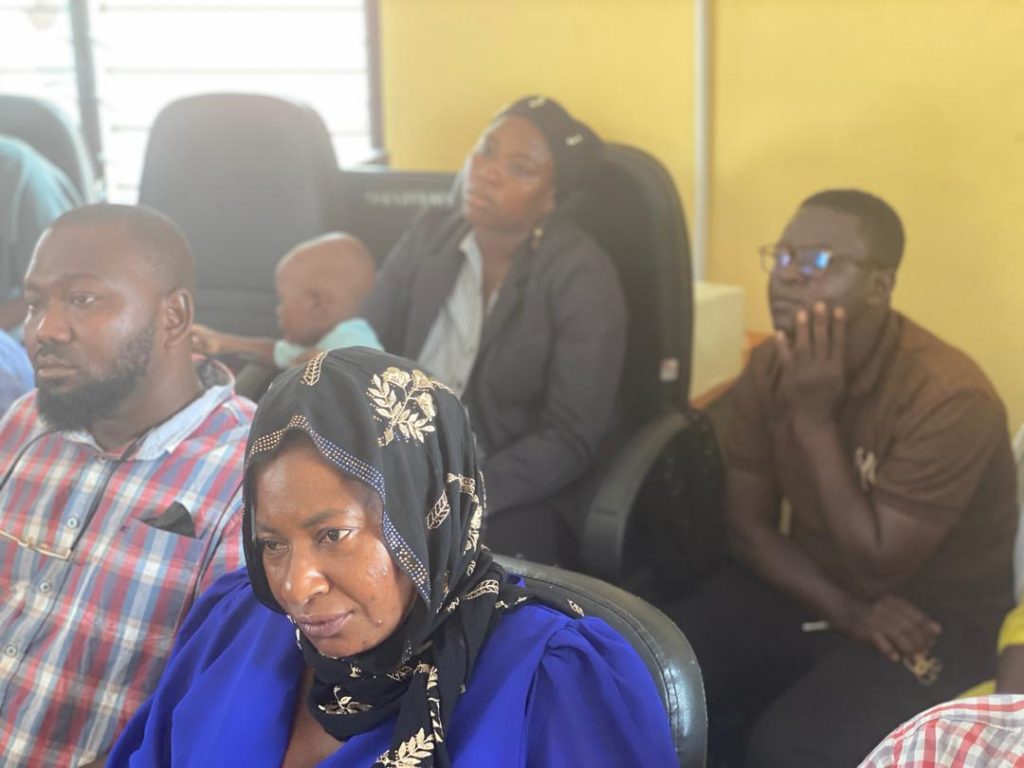
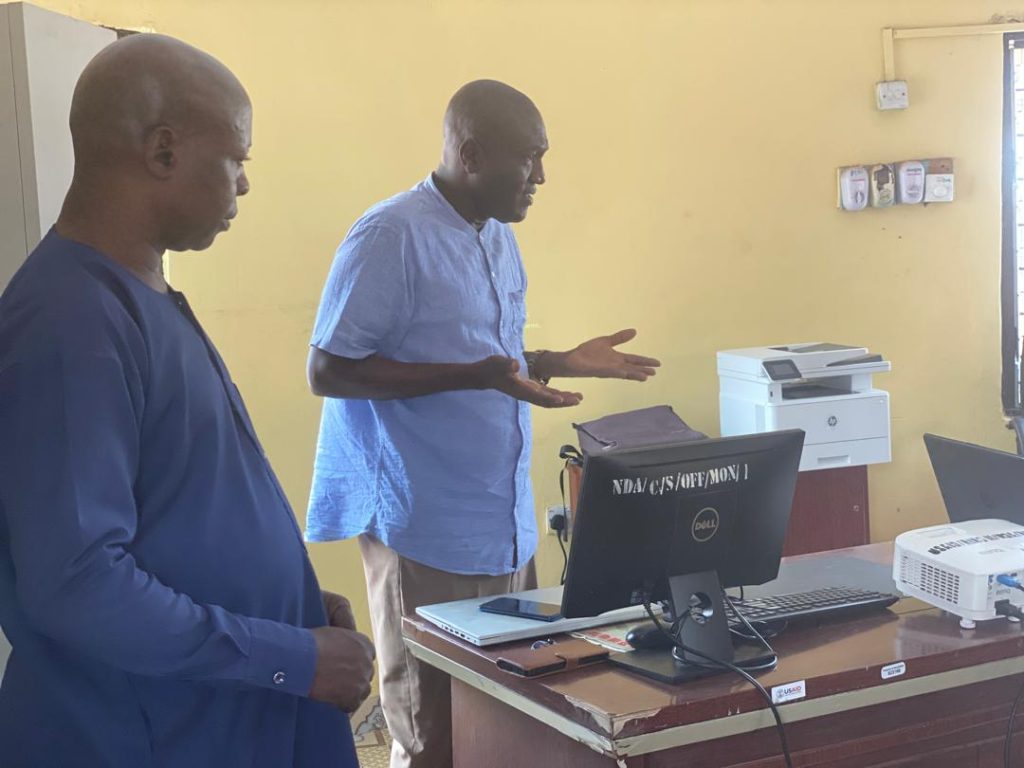
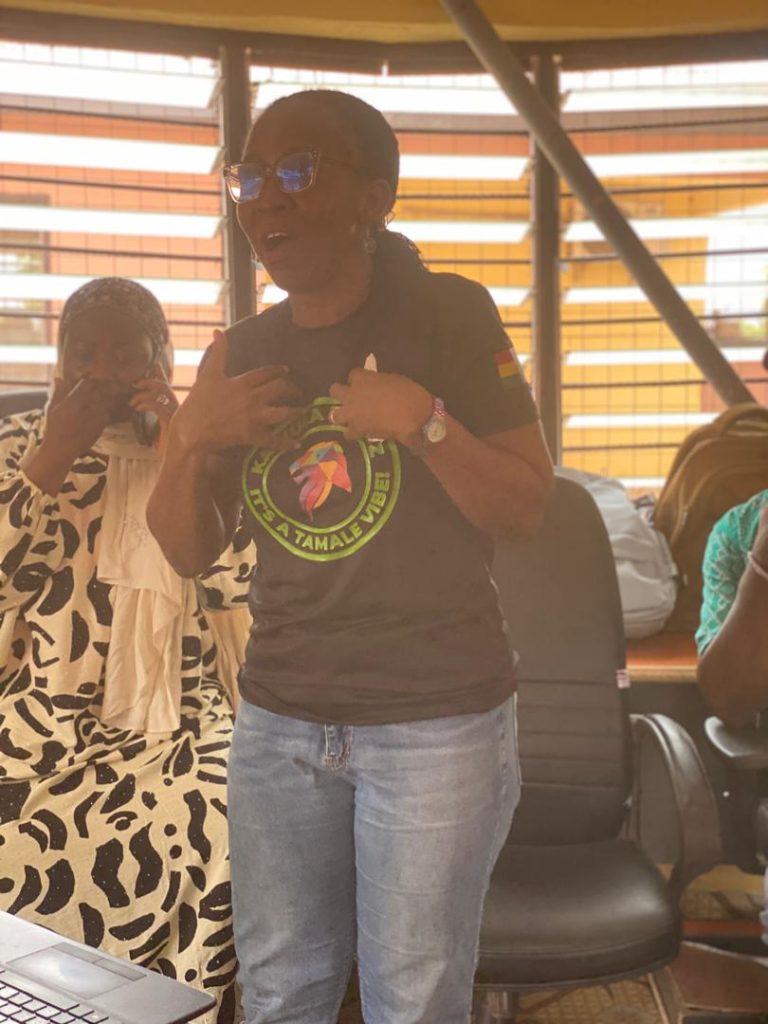
Today marked a practical step forward in strengthening community-based social protection, as stakeholders gathered at the Nanton District Assembly for a focused training on ISS Plus (Integrated Social Services Plus).
The session introduced newly developed tools centered on adolescent protection—tools built not for theory, but for real use within communities. The emphasis was clear: move from reactive interventions to early identification and prevention.
What Happened at the Training
Participants, including social welfare officers, community leaders, and frontline workers, were taken through how ISS Plus works and how its tools can be applied on the ground. The training focused on:
- Identifying adolescents at risk early
- Using simple, structured tools to assess vulnerabilities
- Coordinating responses across sectors—education, health, and social services
- Strengthening community-level accountability and follow-up
This wasn’t a routine workshop. It was hands-on, practical, and directly tied to the realities participants face daily.
Why This Matters for Nanton
Adolescents in many communities face challenges ranging from school dropouts to exploitation and limited access to support systems. Without early intervention, these issues escalate quickly.
The ISS Plus tools introduced today are designed to close that gap. By equipping local actors with clear methods and coordinated processes, the system ensures that cases are identified earlier and handled more effectively.
From Training to Action
The real value of today’s session lies in what happens next. With the right application, these tools can:
- Improve case tracking and follow-up
- Strengthen collaboration between institutions
- Ensure timely support for vulnerable adolescents
- Build a more responsive and connected social protection system
A Step in the Right Direction
The training at the Nanton District Assembly signals a shift toward practical, community-driven protection. It reinforces the idea that safeguarding adolescents is not the responsibility of one institution—it requires coordinated effort at every level.
If consistently applied, ISS Plus has the potential to significantly improve how communities in Nanton identify risks, respond to challenges, and support their young people.
Today’s training was just the starting point. The real work begins now—on the ground, in the communities, where it matters most.